Views: 0 Author: Site Editor Publish Time: 2026-01-04 Origin: Site


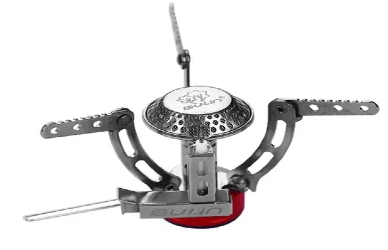
When camping in cold weather, one of the most important factors for a successful trip is ensuring your camping gas stove performs efficiently. Cold temperatures can significantly affect the performance of different fuels, making it challenging to cook meals or boil water for warmth. Choosing the right fuel for your stove is crucial to maintaining a strong, steady flame, especially in freezing conditions. In this article, we will explore the best fuels for camping stoves in cold weather, explain why certain fuels perform better than others, and provide helpful tips for keeping your stove running smoothly in low temperatures.
Camping gas stoves rely on liquefied fuels that need to vaporize before they can be burned to produce heat. In cold weather, the ability of the fuel to vaporize decreases, which can significantly impact stove performance. Here’s a deeper look at how low temperatures affect fuel and why some fuels perform better than others in cold conditions.
When a liquefied fuel like propane or butane is stored in a canister, it’s in liquid form. For the fuel to burn, it needs to vaporize into a gas. Cold temperatures reduce the vapor pressure of the fuel, meaning less fuel can be vaporized and delivered to the burner. This can result in a weak flame, difficulty lighting the stove, or inconsistent performance.
Butane, for example, has a low vapor pressure, making it much harder to vaporize in freezing conditions. In temperatures below 32°F (0°C), butane struggles to burn effectively, leading to weak or inconsistent flames.
Propane, on the other hand, has a higher vapor pressure, allowing it to vaporize more easily even in colder conditions. This makes propane more reliable for camping stoves in low temperatures, as it continues to produce a steady and strong flame in freezing weather.
Different fuels behave differently in cold weather due to their vapor pressure and chemical composition. Here's why certain fuels are better suited for cold weather:
Propane: Propane has a high vapor pressure, which allows it to remain in a gaseous state even at much lower temperatures than butane. This makes propane the preferred choice for cold weather, as it burns efficiently in freezing conditions and provides a consistent flame.
Isobutane: Isobutane, a modified form of butane, performs better than regular butane in cold weather due to its slightly higher vapor pressure. It still struggles in extremely low temperatures but is often used in fuel blends (combined with propane) to provide a more balanced fuel mixture that performs well in a range of temperatures.
Butane: Butane, with its low vapor pressure, is more sensitive to cold temperatures and struggles to vaporize in freezing conditions. This makes it less effective in sub-zero temperatures and unsuitable for cold weather camping.
When camping in cold weather, choosing the right fuel for your camping gas stove is essential for reliable performance. In freezing conditions, fuels with higher vapor pressures are better at vaporizing and burning efficiently. Here’s a look at the best fuels for cold weather camping.
Propane is the best choice for cold weather camping due to its high vapor pressure, which allows it to vaporize easily even in freezing temperatures.
Cold Weather Performance: Propane performs well down to -44°F (-42°C), making it ideal for extreme cold conditions or high-altitude camping.
Best Use: Propane is perfect for winter camping and cold-weather expeditions, ensuring reliable heat and burn efficiency in freezing temperatures.
Isobutane is a modified version of butane that performs better in colder temperatures.
Cold Weather Performance: Isobutane vaporizes more efficiently than butane, performing well in temperatures as low as 23°F (-5°C). However, it doesn’t perform as well as propane in extreme cold.
Best Use: Ideal for moderate cold conditions and fall or spring camping, isobutane is often used in portable stoves for short trips.
Fuel blends, typically combining propane and isobutane, offer the benefits of both fuels.
Cold Weather Performance: Propane-isobutane blends work well in temperatures from 32°F (0°C) down to -20°F (-29°C), offering reliable performance in cold to moderate conditions.
Best Use: These blends are perfect for multi-season camping, offering flexibility and consistency in fluctuating temperatures.
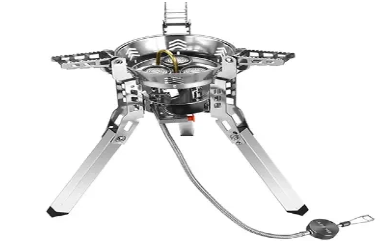
When camping in cold weather, not all fuels are created equal. Some fuels perform poorly in freezing temperatures, making them less reliable for camping gas stoves. One such fuel to avoid is butane.
Butane has a low vapor pressure, which means it struggles to vaporize at low temperatures. In freezing conditions (below 32°F / 0°C), butane becomes very inefficient, and the stove may fail to ignite or produce a weak flame. As the temperature drops, butane's ability to convert from liquid to gas diminishes, leading to inconsistent fuel flow and ultimately causing poor stove performance.
Cold Weather Limitations: At temperatures below freezing, butane cannot vaporize easily, and this makes it unreliable for winter camping or cold-weather expeditions. The stove may not burn hot enough for proper cooking or heating.
Why Avoid Butane: In cold temperatures, butane’s inefficiency can disrupt your camping experience, leaving you struggling to cook meals or heat water. For colder conditions, propane or isobutane blends are much more effective alternatives.
While butane should be avoided in cold weather, there are better options like propane and isobutane blends that are designed to perform in low temperatures. These fuels have a higher vapor pressure, ensuring that they burn efficiently even in freezing conditions. Propane works especially well in extreme cold, while isobutane blends offer a good balance for moderate cold weather.
Camping in cold weather requires extra attention to ensure your camping gas stove performs reliably. Here are some essential tips for storing fuel canisters properly and protecting your stove from the cold.
To keep your fuel canisters functioning well in cold weather:
Keep Canisters Warm: Store fuel canisters inside your jacket or sleeping bag to keep them warm. This prevents butane and isobutane from freezing and ensures they vaporize properly.
Avoid Cold Surfaces: Don’t store canisters on the ground or in snow, as this will chill them. Keep them in insulated areas to maintain the fuel’s performance.
Cold temperatures and wind can affect stove performance. Here’s how to combat it:
Use a Windshield: Protect the stove’s flame with a windshield to keep the burner efficient, especially in windy conditions.
Shelter the Stove: Set up your stove in a sheltered spot, such as behind rocks or trees, to block the wind and snow, while still allowing for ventilation.
Cold weather can slow down the burning process. Boiling water or cooking with high heat may take longer, so plan for longer cooking times and adjust your stove usage accordingly.
Propane is the best fuel for cold weather camping because it has a high vapor pressure, which allows it to vaporize and burn efficiently even in freezing temperatures. Unlike butane, which struggles in cold conditions, propane performs consistently in low temperatures, making it ideal for winter camping or high-altitude adventures.
Butane is not suitable for cold weather camping because it has a low vapor pressure. This makes it difficult to vaporize and burn effectively in temperatures below 32°F (0°C). When exposed to cold conditions, butane fails to produce a strong, consistent flame, resulting in inefficient cooking. It’s best to use propane or isobutane blends for colder climates.
An isobutane blend combines propane and isobutane, creating a mixture that performs better in cold weather than pure butane. Isobutane blends have a higher vapor pressure, allowing them to vaporize more easily at low temperatures and provide a more reliable flame in freezing conditions. This makes them ideal for moderate cold weather and multi-season camping.
To keep your camping stove running efficiently in the cold, it’s important to keep the fuel canisters warm. Store them in your coat pocket or inside your tent when not in use to prevent the fuel from freezing. Additionally, use a windshield around the stove to reduce heat loss and maintain a steady flame. These simple steps will help maximize stove performance in cold conditions.
When camping in cold weather, choosing the right fuel for your camping gas stove is crucial to ensure reliable performance and safety. Propane is the top choice due to its high vapor pressure, which allows it to perform efficiently even in freezing temperatures. Butane, on the other hand, should be avoided in cold weather, as it struggles to vaporize and burn effectively in low temperatures. Isobutane blends offer a good middle ground, providing better performance than pure butane while still being effective in colder conditions. To further enhance stove efficiency in the cold, it’s essential to store fuel canisters properly and use windshields to minimize heat loss. By following these tips and choosing the right fuel, you can enjoy a reliable cooking experience in even the harshest weather conditions.