Views: 0 Author: Site Editor Publish Time: 2026-01-07 Origin: Site


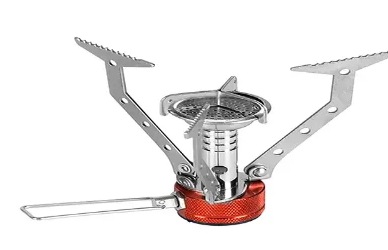
When it comes to choosing the right fuel type for your camping stove, it plays a crucial role in ensuring efficient cooking and optimal stove performance. The fuel type directly impacts the stove’s efficiency, burn time, and suitability for various environmental conditions, especially when you're out in the wilderness. There are several common fuel options for camping stoves, including propane, butane, isobutane, and liquid fuel. Each fuel type has its own set of advantages and considerations: propane is ideal for cold weather and high-pressure cooking, butane is lightweight and works well in mild climates, while isobutane provides a balance of performance in colder conditions. Liquid fuels, such as white gas, are versatile and typically used in multi-fuel stoves for extended outdoor trips. Understanding the differences between these fuels will help you choose the best option for your specific camping needs, ensuring that your stove performs at its best no matter the conditions.
Choosing the right fuel for your camping gas stove is essential for efficient cooking and reliable performance in various outdoor conditions. Below are the key types of stove fuels and how they differ in terms of their properties and performance.
Overview: Propane is a popular fuel for camping stoves due to its high energy output and wide availability. It is stored as a liquid in pressurized canisters and is widely used for camping, backpacking, and car camping.
Properties: Propane has a high vapor pressure, which means it can produce a consistent flame and perform well in colder temperatures.
Performance in Cold Weather: Propane works best in cold weather as it vaporizes more easily compared to butane. This makes it a reliable fuel for outdoor cooking in freezing conditions.
Ideal Use: Best suited for cold weather and high-altitude camping, where other fuels may fail to perform optimally.
Overview: Butane is another common fuel used in camping stoves, known for its lightweight and compact canisters. It is a liquefied gas that works well in moderate temperatures.
Properties: Butane is a lighter fuel, often used in small canisters for lightweight cooking systems. It burns cleanly and produces minimal soot.
Performance in Moderate Climates: While butane works efficiently in moderate temperatures, it struggles in cold conditions because it does not vaporize as effectively as propane.
Ideal Use: Best for mild climates or short-term camping trips where temperatures are not extreme.
Overview: Isobutane is a variant of butane, often found in fuel blends. It is commonly used in backpacking stoves due to its efficiency and versatility in varying weather conditions.
Properties: Isobutane is more efficient and has a lower vapor pressure than butane, which allows it to perform better in cold weather.
Performance in Varying Temperatures: It provides better cold-weather performance than pure butane and is commonly mixed with propane to create a balanced fuel for outdoor use.
Ideal Use: A great choice for multi-day camping or backpacking trips, offering a balance between performance, weight, and ease of use in moderate to cold conditions.
Overview: Liquid fuels, such as white gas (often referred to as naphtha), are used in some stoves designed for extended trips. These fuels are stored in liquid form and are pumped into the stove for combustion.
Properties: Liquid fuels are highly efficient, providing a powerful and consistent flame. They are more versatile and can be used in multi-fuel stoves.
Advantages for Extended Trips: Ideal for longer trips or remote areas, as they offer more fuel capacity and are easy to refill from larger fuel containers.
Ideal Use: Perfect for extended wilderness expeditions or multi-day hikes where fuel needs to be readily available and versatile.
Overview: Multi-fuel stoves are designed to burn multiple types of fuel, such as liquid gas, white gas, kerosene, or unleaded gasoline.
Properties: These stoves offer great flexibility, making them ideal for international travel or expeditions where fuel availability may vary.
Versatility: Multi-fuel stoves can burn a wide range of fuels, making them a great choice for remote areas or backpacking in places with limited fuel options.
Ideal Use: Best for adventurous travelers, long-term camping, or survival situations where the availability of specific fuels might be uncertain.
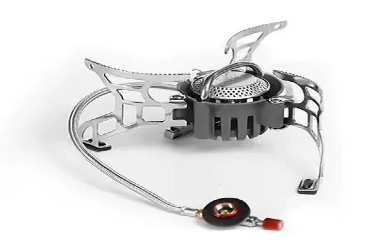
Choosing the right fuel for your camping gas stove is essential for performance, especially under different conditions. Here's how various fuels perform based on cold weather, burn efficiency, and portability.
Propane: Propane excels in cold weather due to its high vapor pressure, making it the best option for freezing temperatures. It performs consistently even in cold environments.
Isobutane: Isobutane is better than butane in cold weather but still struggles at extremely low temperatures. It’s commonly found in fuel blends to improve cold-weather performance.
Butane: Butane performs poorly in cold weather due to its low vapor pressure, making it difficult to vaporize in freezing conditions. It’s best for mild to moderate climates.
Propane: Propane provides high heat output and long burn time, making it ideal for cold weather and high-demand cooking, like boiling water.
Isobutane: Isobutane is efficient, with good burn time and consistent heat, but less powerful than propane in extreme cold.
Butane: Butane has lower heat output and a shorter burn time, but works well for short, light cooking in moderate conditions.
Liquid Fuel (White Gas): White gas offers excellent burn efficiency and high heat output, ideal for multi-day trips or heavy-duty cooking.
Propane: Propane canisters are larger and heavier, making them better suited for car camping or trips where weight isn’t a concern.
Isobutane: Isobutane is lightweight and compact, making it great for backpacking and short trips. It’s portable but may need extra canisters for extended use.
Butane: Butane is found in small, lightweight canisters, perfect for backpacking in mild temperatures, but not suitable for extreme cold.
Liquid Fuel (White Gas): Liquid fuel is heavier and less portable but works well for long-term camping where larger fuel supplies are needed.
Selecting the right fuel for your camping gas stove is essential for efficient cooking and optimal performance. Factors like weather, trip length, and stove compatibility all affect the best fuel choice. Here’s a quick guide on how to choose based on your specific camping conditions:
Cold Weather: For freezing temperatures or high altitudes, propane is the best option. Its high vapor pressure allows it to perform better in cold conditions, ensuring a steady flame.
Mild to Warm Weather: Butane and isobutane work well in moderate climates. Butane is lightweight and compact, perfect for short trips, while isobutane offers better performance in cooler conditions.
Short-Term Trips: For weekend trips or lightweight camping, butane and isobutane are ideal due to their compact size and portability.
Long-Term Trips: For multi-day trips, liquid fuels (like white gas) are better, offering longer burn times and higher efficiency for extended outdoor adventures.
Single-Fuel Stoves: Always check your stove’s fuel compatibility. Butane-only stoves require butane canisters, while propane stoves need propane canisters.
Multi-Fuel Stoves: These stoves offer flexibility, allowing you to use propane, butane, isobutane, or liquid fuels, ideal for long trips or remote areas where fuel availability varies.
Propane is the best choice for cold weather camping. It vaporizes more easily than butane or isobutane, making it more reliable for outdoor cooking in freezing conditions. Propane can continue to provide a consistent flame even in low temperatures, ensuring you can cook comfortably in harsh conditions.
Not all stoves are compatible with every fuel type. Always check your stove’s manual to ensure it is compatible with fuels like propane, butane, or liquid gas before use. Using the wrong fuel can cause poor performance or damage the stove, so it’s important to select the right one based on your stove’s specifications.
The lifespan of a fuel canister depends on the stove’s power output, cooking duration, and the type of fuel used. Typically, a 220g isobutane canister lasts for 1-2 days with moderate use, depending on cooking style. For more extended trips, you may need extra canisters to avoid running out of fuel.
Isobutane performs better in colder temperatures and is often used in fuel blends, making it more reliable for camping in cool or chilly weather. Butane is lighter and works best in moderate conditions, but it struggles in freezing temperatures due to its low vapor pressure, making it less effective in colder environments.
In conclusion, selecting the right fuel for your camping gas stove is crucial for ensuring optimal performance, safety, and efficiency during your outdoor adventures. The right fuel affects cooking speed, burn efficiency, and the stove's ability to perform in different environmental conditions, such as cold weather or high altitudes. Whether you’re choosing propane for cold conditions, butane for moderate climates, or liquid fuels for extended trips, it's essential to consider your camping environment and the specific requirements of your stove. Always check your stove’s compatibility with the fuel type to ensure safe and reliable cooking. By carefully selecting the appropriate fuel, you can enjoy hassle-free meals and maximize your camping experience.