Views: 0 Author: Site Editor Publish Time: 2026-01-08 Origin: Site


Choosing the right material for your camping cookware is essential to ensure a smooth and enjoyable outdoor cooking experience. The material of your cookware directly affects its weight, durability, heat efficiency, and overall performance, which are all crucial when cooking in the wilderness. Whether you're backpacking, car camping, or preparing meals around the campfire, selecting the right cookware can make all the difference. The three most popular materials for camping cooking sets are titanium, stainless steel, and aluminum. Each offers unique benefits and drawbacks, depending on your specific needs. In this article, we'll explore the pros and cons of each material to help you choose the best cookware for your next outdoor adventure.
Titanium is a popular choice for camping cookware, especially for those seeking lightweight and durable options for their outdoor adventures. Here’s a breakdown of the pros and cons of titanium cookware:
Extremely Lightweight and Strong: Titanium cookware is known for being incredibly lightweight while still offering strength and durability. This makes it an ideal choice for backpacking and hiking, where every ounce matters.
Durable and Resistant to Corrosion: Titanium is highly resistant to rust and corrosion, making it suitable for use in a variety of weather conditions, including exposure to moisture and acidic foods.
Decent Heat Distribution: While titanium cookware doesn’t heat as evenly as stainless steel, it still provides decent heat distribution, making it a reliable option for most basic cooking tasks over a camp stove or fire.
Expensive Compared to Other Materials: Titanium cookware tends to be more costly than other materials, such as aluminum or stainless steel, due to the manufacturing process and the high quality of the material.
Can Warp Under Extreme Heat: While titanium is strong, it is prone to warping if exposed to high, direct heat for long periods. It’s essential to use titanium cookware carefully, particularly over an open flame or when cooking with high temperatures.
Overall, titanium cookware is ideal for minimalist campers looking to save weight and prioritize durability, but it may not be the best choice for those on a tighter budget or who need cookware that can handle extreme heat regularly.
Stainless steel is a widely used material for camping cookware, offering durability and reliability for outdoor cooking. Here’s a breakdown of the pros and cons of stainless steel cookware:
Durable and Resistant to Rust and Corrosion: Stainless steel is known for its robustness, making it resistant to rust, corrosion, and wear, even in harsh weather conditions. This makes it an excellent choice for extended camping trips.
Good Heat Distribution and Consistent Cooking Performance: Unlike some other materials, stainless steel provides even heat distribution, which ensures consistent cooking performance. This is especially useful for more complex meals or recipes that require precise temperature control.
Can Handle High Temperatures: Stainless steel can withstand high heat, making it ideal for use over campfires or with camp stoves. It won’t warp or degrade when exposed to high temperatures, ensuring reliable performance even when cooking on open flames.
Heavier Than Titanium and Aluminum: Stainless steel is relatively heavier compared to titanium and aluminum, which may not be ideal for those looking to keep their gear lightweight, especially when backpacking or hiking long distances.
Takes Longer to Heat Up and Cool Down: While it provides even heat distribution, stainless steel takes longer to heat up and cool down compared to aluminum, making it less efficient for quick cooking. If you're cooking on a tight schedule, this may slow down meal preparation.
Overall, stainless steel cookware offers long-lasting durability and excellent cooking performance, making it a great choice for those who prioritize reliability and versatility over weight. It’s especially beneficial for car camping and long-term trips where weight isn’t as big of a concern.
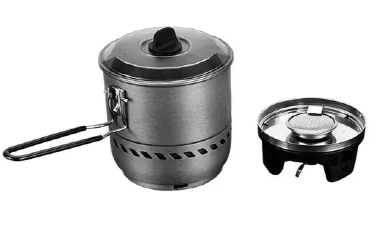
Aluminum is one of the most common materials for camping cookware, known for being lightweight and affordable. Here's a breakdown of the pros and cons of aluminum cookware:
Lightweight and Affordable: Aluminum cookware is significantly lighter than stainless steel or cast iron, making it ideal for backpacking or anyone looking to reduce the weight of their gear. Additionally, aluminum is more affordable, making it an excellent choice for budget-conscious campers.
Heats Up Quickly: Aluminum is an excellent conductor of heat, meaning it heats up very quickly. This makes it efficient for quick cooking, such as boiling water or frying food in a short amount of time.
Often Comes in Non-stick Options: Many aluminum pans come with a non-stick coating, which makes them easier to clean and requires less oil when cooking, ideal for simple meals like eggs or pancakes.
Prone to Scratching and Denting: Aluminum cookware can easily get scratched or dented, especially if you’re using metal utensils or storing it improperly. Over time, this can affect the appearance and functionality of the cookware.
Less Durable Over Time: Aluminum is less durable than materials like stainless steel or titanium and can wear out more quickly with frequent use. It’s also more likely to warp when exposed to high heat over long periods.
Can React with Acidic Foods: Aluminum reacts with acidic foods (like tomatoes or citrus), which can affect the taste and cause the metal to degrade over time. To avoid this, some aluminum cookware is coated, but this doesn’t eliminate the issue entirely.
Overall, aluminum cookware is a great option for lightweight, cost-effective camping gear. It’s perfect for quick meals and when weight is a priority, but it may not be as durable as other materials and requires careful handling to avoid damage.
Here's a table comparing titanium, stainless steel, and aluminum cookware based on different factors like backpacking, car camping, long-term durability, weight vs durability, and budget considerations:
Factor | Titanium Cookware | Stainless Steel Cookware | Aluminum Cookware |
Best for | - Backpacking: Lightweight and strong for long hikes | - Car camping: Great for consistent, reliable cooking | - Backpacking: Lightweight and portable for short trips |
Long-Term Durability | - Highly durable and resistant to corrosion | - Very durable and can withstand high heat | - Less durable over time, prone to scratching and denting |
Weight vs Durability | - Very lightweight but can warp under extreme heat | - Heavier but more durable and resistant to damage | - Lightweight but less durable over time, easily dented or scratched |
Budget Considerations | - Expensive, high-quality material | - Moderately priced, provides great value for money | - Affordable and cost-effective for budget campers |
Best Use Case | - Lightweight camping with an emphasis on performance | - Ideal for car camping with a need for long-lasting, reliable cookware | - Best for quick cooking and affordable setups for short trips |
This table helps you quickly compare the materials and make an informed decision on which one works best based on your camping style, budget, and cooking needs.
Titanium cookware is lightweight and durable, making it an excellent choice for backpackers and minimalist campers who prioritize performance and portability. However, it is more expensive than other materials like aluminum or stainless steel. For casual campers who don’t need the extreme lightweight advantage, the higher price might not be necessary. If you’re hiking long distances or aiming to reduce pack weight, titanium is worth the investment.
While aluminum cookware is lightweight and heats up quickly, it is not ideal for use over a campfire. Aluminum is prone to warping and melting when exposed to the intense, direct heat of an open flame for prolonged periods. If you’re cooking over a campfire, it’s better to choose stainless steel or cast iron for durability and high-heat resistance.
Stainless steel is the most durable option for camping cookware, as it is resistant to rust, corrosion, and high temperatures. It can withstand harsh conditions and extended use without losing performance, making it ideal for long-term camping and car camping. While it’s heavier than titanium or aluminum, its durability and reliability make it worth the weight for many campers.
Aluminum cookware is not ideal for cooking with acidic foods (like tomatoes, citrus, or vinegar). The aluminum can react with the acids, which may affect the flavor of your food and cause the material to degrade over time. To avoid this, it's best to use non-stick-coated aluminum or switch to stainless steel or titanium when cooking acidic meals to preserve both the flavor and the cookware’s longevity.
Selecting the right material for your camping cooking set ultimately comes down to balancing your camping style, cooking needs, and budget. Titanium offers an incredibly lightweight and durable option for backpackers, but its high cost may not be necessary for those on a budget or those camping casually. Stainless steel is the most durable choice, resistant to rust and corrosion, making it perfect for long-term use or car camping, though it’s heavier and slower to heat. Aluminum is affordable, lightweight, and heats quickly, but it’s prone to scratching and can react with acidic foods, which makes it best for short-term use or budget-conscious campers. By considering how often you’ll be using your cookware and how much weight and durability matter to you, you can select the material that best fits your needs and ensures a successful camping experience.