Views: 0 Author: Site Editor Publish Time: 2025-12-24 Origin: Site


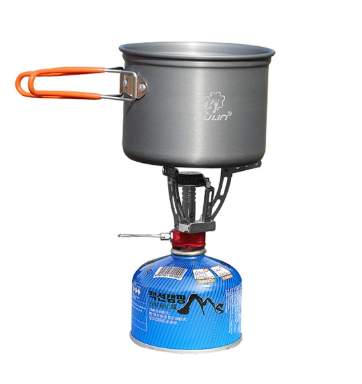
Cooking while camping can seem intimidating, but it doesn’t have to be. Have you ever struggled with preparing a meal outdoors? A Camping Gas Stove can make cooking much easier and more enjoyable.
In this article, we'll explore simple and effective methods for cooking when camping. You’ll learn how to make delicious meals with minimal equipment and effort, ensuring your next camping trip is a culinary success.
Cooking while camping presents several challenges. Unlike your kitchen at home, you won’t have access to a variety of appliances, utensils, or a stable cooking environment. Cooking outdoors involves dealing with unpredictable weather, limited space, and the lack of easy cleanup options. However, with a bit of preparation, these challenges can be easily managed.
The simplicity of camp meals is one of the joys of cooking outdoors. Fresh air, a cozy campfire, and simple ingredients can make a meal taste extraordinary. Whether it's a basic pasta dish or roasted marshmallows over the fire, the surroundings make everything more flavorful.
To make cooking outdoors easier, the right equipment is crucial. A Camping Gas Stove is one of the best investments you can make. It provides a reliable heat source, is easy to use, and doesn’t rely on an open flame, making it a safer and more controlled way to cook outdoors.
A Camping Gas Stove is the cornerstone of any camping kitchen. These stoves come in various sizes, but the two-burner version is ideal for car camping, as it provides ample space to cook multiple dishes simultaneously. The stove’s portability and ease of use make it an excellent choice for cooking in the wilderness.
Most camping stoves use propane or butane as fuel, which is easy to carry and store. It's important to carry enough fuel for the duration of your trip and to test the stove before your trip to ensure everything works smoothly.
In addition to your Camping Gas Stove, there are a few other essential items you'll need:
Cookware: A lightweight set of pots and pans, preferably with a non-stick surface for easy cleanup.
Utensils: A spatula, tongs, and a long-handled spoon for stirring are important for cooking on a stove or over a fire.
Cutting Board & Knife: Bring a durable cutting board and a sharp knife for chopping vegetables and meat.
Storage Containers: Containers for storing pre-chopped ingredients and leftovers.
When choosing a camping stove, consider your cooking needs and the type of camping you'll be doing. For car camping, a two-burner stove offers flexibility, while for backpacking, a compact, single-burner stove might be more appropriate. Check for features like adjustable heat control, stability, and ease of ignition.
| Stove Type | Burner Type | Fuel Type | Ideal Use | Pros | Cons |
| Two-Burner Stove | Dual Burners | Propane/Butane | Car camping, large groups | More cooking space, steady heat | Requires flat surface, bulkier |
| Single-Burner Stove | Single Burner | Butane/Isobutane | Backpacking, solo trips | Lightweight, compact | Limited cooking space |
| Backpacking Stove | Single Burner | Isobutane/Alcohol | Lightweight, solo campers | Very compact, easy to pack | Less stability, small pot capacity |
| Multi-Fuel Stove | Dual Burners | Multi-fuel (e.g., gasoline, kerosene) | Long trips, remote areas | Versatile, works in extreme conditions | Heavier, requires more maintenance |
The best meals for camping are simple yet flavorful. Focus on easy-to-prepare foods that require minimal cooking time. Foods like pasta, rice, canned beans, and pre-cooked meat are excellent options. Pre-packaged meals like freeze-dried soups and instant oatmeal are also great for quick, no-fuss meals.
To make cooking easier while camping, do as much prep work at home as possible. Pre-chop vegetables like onions, bell peppers, and carrots, and store them in resealable bags. Marinate your meats before the trip to enhance flavor and save time. The more you can prep in advance, the less time you'll spend cooking at the campsite.
Here are a few simple recipes to get you started:
Stir Fry: Pre-chop vegetables and cook with your choice of protein and a pre-made sauce.
One-Pot Pasta: Boil pasta, then add sauce and cooked meat for a quick and satisfying meal.
Tin Foil Meals: Wrap vegetables and meat in foil, cook over the campfire or on a stove for an easy, mess-free meal.
Note: When preparing meals, choose ingredients that are durable and won’t spoil easily, like hard vegetables, sturdy grains, and shelf-stable proteins.
Cooking on a Camping Gas Stove is straightforward. Make sure your stove is placed on a flat, stable surface and that you have enough ventilation. Start by lighting the stove according to the manufacturer’s instructions. To prevent food from burning, use medium heat and keep pots covered when possible to trap heat and cook food evenly.
While cooking over an open fire can be fun, it can be tricky for beginners. The heat from a campfire is less predictable, and you need to know how to cook over coals instead of open flames. If you're new to campfire cooking, it might be easier to rely on a Camping Gas Stove, as it provides more consistent heat.
Most Camping Gas Stoves allow you to adjust the heat easily. Use low heat for simmering sauces and high heat for boiling water or frying. Keep the lid on pots to retain heat and cook food faster. If you’re cooking multiple items, use both burners to avoid overcrowding one pan.
For breakfast, you want something quick and easy to prepare. Here are a few options:
Instant Oatmeal: Just boil water, stir in oatmeal, and you’re done.
Breakfast Burritos: Pre-cooked sausage, scrambled eggs, and cheese wrapped in a tortilla.
Granola and Yogurt: A no-cook breakfast that’s light yet filling.
For lunch, keep things simple and portable:
Sandwiches or Wraps: Use whole grain bread or tortillas to make sandwiches with cold cuts, cheese, and veggies.
Trail Mix and Jerky: These are great for snacking between activities.
Hummus and Veggies: If you have a cooler, hummus and pre-cut veggies make a healthy, no-cook meal.
For dinner, it’s time to get creative:
One-Pan Stir Fry: Pre-chop veggies and protein, then cook everything in one pan.
Tin Foil Meals: Wrap veggies, potatoes, and meats in foil and cook over the stove or campfire.
Fajitas: Pre-cooked sausage, peppers, and onions served with tortillas.
No camping trip is complete without snacks and desserts:
S’mores: Roast marshmallows over the campfire and enjoy them with chocolate and graham crackers.
Baked Brie: Wrap brie cheese in foil with nuts and dried fruit, and heat over the fire.
When using a Camping Gas Stove, it’s essential to handle fuel safely. Always store fuel canisters away from direct sunlight and extreme temperatures. Never use a stove indoors or in an enclosed space, as the fumes can be harmful.
Tip: Always bring an extra can of fuel, especially if you're cooking multiple meals a day.
Always cook at least 10 feet away from your tent or any other flammable materials. Cooking close to your tent can cause fire hazards and attract unwanted wildlife.
Proper food storage is crucial while camping. Keep perishable items in a cooler with plenty of ice and avoid opening it too frequently. Use biodegradable soap and water to clean your dishes, and dispose of wastewater at least 200 feet from any water sources.
Cooking while camping can be simple and rewarding with the right tools. A Camping Gas Stove makes outdoor cooking more manageable, offering convenience and control. By preparing meals ahead of time and using the right equipment, you can enjoy delicious food with minimal hassle.Yongkang Bulin Outdoor Equipment Factory offers reliable camping stoves that are easy to use, ensuring a smooth cooking experience in the great outdoors.
A: A Camping Gas Stove provides a reliable heat source, making it easy to cook outdoors. It offers adjustable heat control, which is essential for preparing a variety of meals efficiently.
A: A Camping Gas Stove provides consistent heat, is easier to control, and is safer than cooking over a campfire, which can be unpredictable. It also eliminates the need for gathering wood and managing a fire.
A: Choose a Camping Gas Stove based on your camping style. A two-burner stove is great for car camping, while a single-burner stove is ideal for backpacking due to its compact size and lightweight design.
A: Yes, a Camping Gas Stove is versatile and can be used for cooking various meals, from simple breakfasts to hearty dinners. It works well with pots, pans, and even a Dutch oven.
A: The fuel canister of a Camping Gas Stove lasts for different durations depending on the stove’s heat output and usage. On average, a canister can last for 2-4 days with moderate use.