Views: 0 Author: Site Editor Publish Time: 2026-01-11 Origin: Site


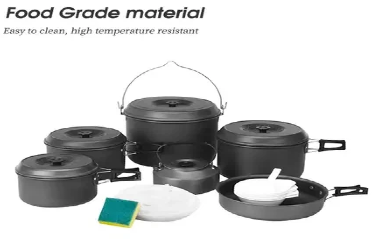
Cleaning your camping cooking set is crucial for maintaining both hygiene and the longevity of your cookware. When you're outdoors, it's easy for food residue to build up, potentially attracting pests and creating bacteria. Regular cleaning not only ensures your meals are safe but also helps preserve the materials, preventing damage like rust, stains, or buildup that can affect cooking performance. In this article, we'll explore several effective methods for cleaning your cookware while camping, even when resources are limited. Whether you have access to water or need to get creative with natural cleaning tools, there are simple yet efficient ways to keep your camping cookware in top condition throughout your adventure.
Cleaning your camping cooking set immediately after use is key to maintaining both hygiene and the performance of your cookware. Here are a few steps to follow for quick and effective cleaning:
As soon as you're done cooking, try to rinse your cookware right away to prevent food from sticking and hardening. The longer food remains on the pots and pans, the harder it will be to clean later. If you're using limited water, a quick rinse can still help remove much of the residue before it dries and sticks.
Before washing, use a spatula or scraper to remove any large food particles. This step prevents food from clogging your cleaning water and makes it easier to wash the cookware. Scraping off any leftover chunks or sticky substances is essential for efficient cleaning.
When you're in the wild and water resources are limited, it’s important to use as little water as possible. Instead of filling up a large container, use a small amount of water to rinse the cookware and wipe it clean with a cloth or sponge. Always aim to conserve water while still getting the cookware sufficiently clean.
When you're camping and have limited resources, cleaning your camping cooking set can be a bit challenging, but it’s still possible to maintain hygiene and keep your cookware in good condition. Here are some eco-friendly and practical ways to clean your cookware while conserving water and minimizing environmental impact:
Using biodegradable soap is essential when cleaning your cookware outdoors. Regular dish soap can harm the environment by contaminating natural water sources, but biodegradable soaps are specifically designed to break down naturally without leaving harmful residues. These eco-friendly options help ensure your cleaning process doesn’t negatively affect wildlife or plant life. Always use biodegradable soap sparingly, as even eco-friendly products can have an impact if used excessively.
In outdoor settings, natural water sources like rivers, lakes, or streams can be convenient for washing your cookware. However, it’s important to be mindful of water conservation and environmental impact. Always use minimal water, and avoid washing your cookware directly in the water to prevent soap and food particles from contaminating the ecosystem. The best practice is to collect water in a separate container, clean your cookware, and dispose of the dirty water at least 200 feet away from the water source to protect the surrounding environment. If the water source is limited, consider using a small basin or bowl to wash and rinse efficiently.
If you don’t have access to sponges or brushes, you can use natural materials like rocks, sand, or other non-toxic scrubbing tools to clean stuck-on food. These materials can effectively scrub away food residue without damaging your cookware. Simply collect clean, smooth rocks or a bit of sand, and use them as a scrubber to remove stubborn food particles. After scrubbing, rinse your cookware thoroughly to remove any leftover grit or particles. This method is both effective and eco-friendly, making it perfect for outdoor cooking when supplies are scarce.
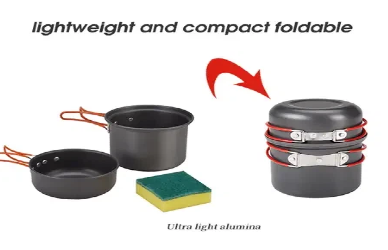
Properly drying and storing your camping cooking set is essential to ensure it lasts longer and stays in good condition. After cleaning, it’s important to follow the right steps for drying and storage to prevent rust, bacteria buildup, and damage.
After washing your cookware, always allow it to air dry completely. This is especially important for materials like cast iron or stainless steel, as moisture left on the surface can lead to rusting over time. If cookware is packed away while still damp, it can also promote bacterial growth, which can be harmful to both the cookware and your health. To avoid these issues, leave your pots, pans, and utensils in a well-ventilated area or hang them up to dry. It’s best to dry the cookware outdoors when possible, as this helps prevent trapped moisture.
Once your cookware is fully dry, proper storage is key to maintaining its integrity. Here are some essential tips:
Avoid Scratches: Store your cookware in a way that prevents scratching or denting. For example, if you stack your pans, place a cloth or paper towel between them to avoid direct contact. This will prevent surface damage and preserve their cooking quality.
Keep It Clean: Before packing, make sure your cookware is free of food particles, grease, or oil, as these can cause contamination or mold buildup.
Store in a Dry Place: Always store your cookware in a dry, cool place to prevent moisture buildup, which can lead to rust or mildew.
Cast Iron Care: If you have cast iron cookware, make sure it’s thoroughly oiled after drying to prevent rust. A thin layer of vegetable oil will keep the surface seasoned and protected.
When cleaning and maintaining your camping cooking set, different materials require specific care to keep them in optimal condition. Whether you're using cast iron, non-stick cookware, or stainless steel, each material has unique cleaning needs. Here’s how to care for each type:
Cast iron cookware is durable and excellent for campfire cooking, but it requires extra attention to prevent rust and maintain its seasoning. After cleaning, apply a thin layer of oil (vegetable oil or flaxseed oil works well) to the surface of your cookware. This layer acts as a protective barrier, preventing moisture from reaching the metal and causing rust. The oil also helps maintain the seasoning, which improves the non-stick surface over time.
Tip: Never leave cast iron cookware soaking in water, as this can lead to rust. Always dry it thoroughly before applying oil.
Non-stick cookware is convenient and easy to clean, but it’s important to be gentle while handling it to avoid damaging the coating. Use soft sponges or cloths when cleaning and avoid abrasive scrubbers or harsh cleaning agents that can scratch or peel the non-stick surface. Overheating non-stick pans can also cause the coating to break down, so always cook on low to medium heat.
Tip: Store non-stick cookware carefully to avoid scratching the coating. Avoid stacking them directly on top of each other unless you have protective padding between pans.
Stainless steel is a strong, durable material commonly used in camping cookware. However, it can still get scratched or stained if not properly cared for. Use non-abrasive cleaners and soft scrubbers to avoid scratching the surface. Stainless steel is resistant to rust, but food particles and oils can sometimes leave marks or stains, especially after exposure to high heat. To remove stains, use a mild, non-abrasive cleaner designed for stainless steel.
Tip: For tough stains, you can use a mixture of baking soda and water to scrub away residue without damaging the surface.
It’s best to use biodegradable soap when cleaning your camping cookware outdoors. Regular dish soap can harm the environment by contaminating natural water sources, so choosing eco-friendly soap ensures you’re not polluting the area while maintaining hygiene.
To clean cast iron cookware while camping, first rinse off any food particles. After cleaning, dry the cast iron completely to avoid rust. Then, apply a thin layer of oil (vegetable oil or other preferred oils) to the surface to maintain its seasoning and prevent it from rusting. This will keep your cast iron cookware in good condition for future use.
Yes, sand can act as an effective scrubber to remove stuck food from your cookware in the wild. Just be sure to use clean sand and rinse your cookware thoroughly afterward to remove any grit or particles. This method works well when you don't have access to conventional cleaning tools.
To prevent rust on your cookware, always ensure it is completely dry before storing it. Moisture left on the cookware can cause rust over time. Additionally, store your cookware in a dry place, and for cast iron, apply a light coating of oil after each cleaning to prevent rust and maintain its seasoning. Proper storage and care are key to keeping your cookware rust-free.
Keeping your camping cookware clean is essential for both hygiene and the longevity of your gear. Key cleaning methods include rinsing your cookware immediately after use to prevent food from sticking, using biodegradable soap to protect the environment, and employing natural cleaning tools like sand or rocks when resources are limited. After cleaning, it’s crucial to air dry your cookware thoroughly to avoid rust and bacterial growth, and to store it properly to prevent scratches or contamination. Regular care, such as applying oil to cast iron and using non-abrasive tools for stainless steel or non-stick cookware, ensures your gear remains in top condition. By following these simple yet effective steps, you can maintain your cookware’s functionality, extend its lifespan, and ensure a safe, enjoyable cooking experience on your camping trips.