Views: 0 Author: Site Editor Publish Time: 2025-12-22 Origin: Site


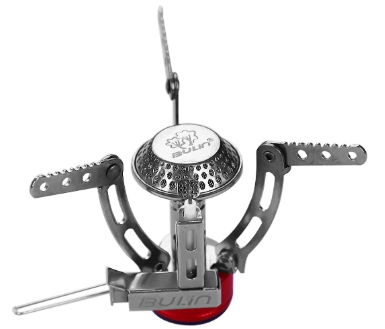
Choosing the right fuel for your camping gas stove can make a huge difference in your outdoor cooking experience. Do you know which fuel type is best for your needs?
In this article, we will guide you through the different fuel options available for camping stoves and help you determine the best choice based on your trip's duration, weather, and stove type.
By the end, you'll know how to select the perfect fuel to make your camping meals easier and more enjoyable.
Before selecting fuel, you must first consider your camping gas stove type. Not all stoves are compatible with all types of fuel. While some stoves run on a single fuel type, others, like multi-fuel camping gas stoves, can work with multiple fuel options.
Propane: Often used in larger stoves for consistent performance.
Butane: Common in compact, lightweight stoves ideal for short trips.
Isobutane: Works well in colder conditions, often preferred for winter camping.
Make sure to check the stove’s manual or product description to see what types of fuel are recommended or required.
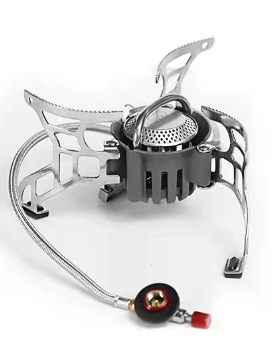
How often and how long you'll be cooking on your camping stove plays a crucial role in your fuel choice. For short, weekend trips, lighter fuels like butane might be enough. However, if you're planning a week-long expedition, propane or isobutane can offer longer burn times and more stability.
Short trips: Butane or small isobutane canisters should suffice.
Longer trips: Consider propane or multi-fuel stoves that offer extended fuel supply.
The weather and terrain significantly affect how well different fuels perform. For instance, while butane is great in moderate temperatures, it struggles in cold weather. Isobutane, a mix of propane and butane, works better in freezing temperatures and high altitudes.
Cold weather: Isobutane is the better choice.
High altitude: Propane performs well at higher altitudes where other fuels might lose efficiency.
Tip: In extreme conditions, opt for multi-fuel stoves that allow you to switch between fuel types depending on the situation.
Propane is a versatile and widely used fuel in larger camping stoves. It’s known for its efficiency and ability to produce high heat. It’s ideal for cooking large meals, boiling water, or keeping a camp kitchen going for extended periods.
Pros: Reliable performance, widely available.
Cons: Bulky canisters, not ideal for cold conditions.
Butane is a more compact and lightweight option compared to propane. It’s commonly used for smaller, portable stoves and is great for short trips or single-person camping.
Pros: Compact, lightweight, easy to store.
Cons: Struggles in cold weather, limited burn time.
Isobutane is a fuel mix of propane and butane, which combines the benefits of both. It burns efficiently even in cooler temperatures, making it perfect for colder climates.
Pros: Better performance in cold weather, compact.
Cons: More expensive than butane, not as widely available.
Multi-fuel stoves give you the flexibility to use a variety of fuel sources. If you’re an avid camper or backpacker, a multi-fuel stove can be a game-changer, allowing you to use propane, kerosene, alcohol, or other fuels based on availability and environmental conditions.
Pros: Flexibility in fuel choice, versatile.
Cons: Heavier and more expensive, requires more maintenance.
| Fuel Type | Pros | Cons | Best Use Case |
| Propane | Reliable performance, long burn time | Bulky canisters, less efficient in cold weather | Long trips, larger stoves, high heat needs |
| Butane | Lightweight, compact | Struggles in cold weather, limited burn time | Short trips, small stoves, mild weather |
| Isobutane | Better performance in cold weather | More expensive, less availability | Cold weather, high altitudes |
| Multi-Fuel | Flexibility, can use multiple fuels | Heavier, more expensive, requires maintenance | Versatile for diverse environments |
Propane is a common fuel for camping stoves, especially for those who need a reliable source of energy.
Pros: High energy output, long-lasting burn time.
Cons: Bulkier canisters, less efficient in extremely cold weather.
Butane is favored for its portability and ease of use in smaller stoves.
Pros: Lightweight, easy to transport.
Cons: Loses effectiveness in cold temperatures, limited cooking time.
Isobutane offers better cold-weather performance, making it ideal for winter camping.
Pros: Good for cold weather, more efficient than butane.
Cons: Higher price, less availability in remote areas.
Multi-fuel stoves are a great option for flexibility.
Pros: Ability to use various fuel types, works well in diverse environments.
Cons: More complex and expensive, heavier to carry.
Tip: If you camp in varied climates or are an adventurous hiker, investing in a multi-fuel stove may be worthwhile.
Cost is a critical factor in choosing the right fuel for your camping gas stove. Generally, propane is cheaper and more widely available. However, isobutane, due to its superior performance in cold weather, comes at a premium.
Propane: More affordable, great for longer trips.
Butane: Slightly more expensive, but better for short trips.
Isobutane: Typically the most expensive due to its cold-weather performance.
Though multi-fuel stoves offer flexibility, they also come with higher initial costs and require you to purchase additional fuel types and adapters. It’s an investment for those who prioritize versatility in their camping gear.
Fuel canisters must be stored properly to avoid accidents. Always keep them away from heat sources and in cool, dry places to prevent leaks or explosions.
Safety is paramount when using a camping gas stove. Make sure to:
Use the stove in well-ventilated areas to avoid carbon monoxide buildup.
Always check for leaks before igniting the stove.
Avoid over-tightening the fuel canisters.
Maximizing fuel efficiency ensures you have enough fuel for the entire trip without carrying excess weight. Techniques like using windshields around your stove, cooking in batches, or simmering instead of boiling can all reduce fuel consumption.
Carrying extra fuel can add unnecessary weight to your pack. Always store fuel in a compact and safe way. For long trips, opt for fuel canisters with larger capacities to avoid multiple refills.
Using a camping stove indoors is not recommended due to safety risks like carbon monoxide poisoning and fire hazards. Always ensure proper ventilation when using a stove indoors or consider alternative indoor cooking options. For safe and reliable outdoor cooking, products from Yongkang Bulin Outdoor Equipment Factory offer excellent quality and performance. Their outdoor stoves are designed with durability and safety in mind, providing great value for your camping trips.
A: The choice of fuel depends on your stove type. For most camping gas stoves, propane, butane, and isobutane are common fuels. Each has its advantages depending on your camping conditions and stove model.
A: Butane is less effective in cold weather. For better performance in colder conditions, opt for isobutane or propane in your camping gas stove.
A: Check the stove’s manual or product description. Most camping gas stoves are compatible with specific fuel types like propane or butane, and some offer multi-fuel options.
A: Isobutane works better at higher altitudes because it maintains pressure and burns more efficiently in cold, low-oxygen conditions, making it ideal for camping gas stoves in such environments.
A: Fuel prices vary based on the type. Propane is typically the most affordable, while isobutane may cost more due to its better performance in cold weather and high altitudes.