Views: 0 Author: Site Editor Publish Time: 2025-12-17 Origin: Site


Cold weather camping can be an exhilarating yet challenging experience. Are you ready to brave the cold and enjoy the beauty of winter outdoors?
In this guide, we’ll cover everything you need to know about cold weather camping, including the best gear, tips for staying warm, and how to make your meals with a Camping Gas Stove. Get ready to learn how to stay safe and comfortable during your winter camping adventure.
Cold weather camping requires specialized gear designed to protect you from the harsh elements. From clothing to sleeping systems, choosing the right gear is critical to staying comfortable and safe.
In cold weather, wearing layers is the best way to regulate your body temperature. The base layer, mid-layer, and outer layer work together to wick away moisture, trap warmth, and shield you from the cold. Insulated clothing, especially outer layers like down jackets and waterproof pants, will keep you warm and dry. Don’t forget insulated gloves, hats, and socks to protect your extremities.
A high-quality sleeping bag rated for cold weather is a must. Look for sleeping bags with an insulation material like down or synthetic fill, as they provide excellent warmth retention. Pair your sleeping bag with a well-insulated sleeping pad to prevent heat loss to the ground. When temperatures drop below freezing, a sleeping bag liner or extra blankets can add an extra layer of warmth.
Not all tents are designed to handle the extreme conditions of winter camping. A four-season tent, which is built to withstand heavy snow and strong winds, is a wise investment for cold-weather camping. These tents have sturdier poles and are made from materials that provide better insulation than regular three-season tents.
| Gear Item | Recommended Type | Key Features | Best Use Case |
| Sleeping Bag | Down or Synthetic | Warmth retention, lightweight | Sleeping in freezing conditions |
| Tents | Four-season | Sturdier poles, better insulation | Harsh winter environments |
| Clothing | Insulated layers | Layering system, moisture-wicking | Regulating body temperature |
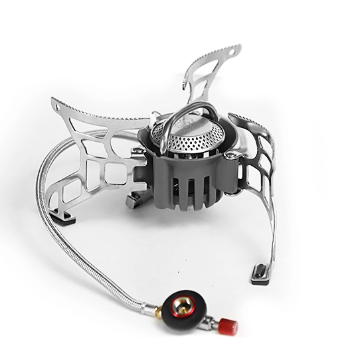
| Camping Gas Stove | Portable, compact | Quick setup, boils water and cooks meals | Heating and cooking in cold conditions |
Once you're set up at your campsite, keeping warm becomes the primary focus. Here are some strategies to stay cozy during your cold-weather adventure.
Building a fire is a time-honored camping tradition, and it can be particularly useful in cold weather. Use dry wood to ensure your fire burns hot and fast. A fire can provide much-needed warmth as well as light, and it’s also ideal for cooking. Always be mindful of fire safety—never leave it unattended, and make sure it's completely extinguished before you go to bed.
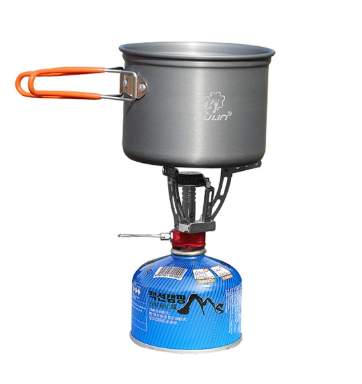
While a fire is great, a Camping Gas Stove can provide additional warmth and comfort, especially in areas where firewood is scarce or prohibited. A camping gas stove is portable, quick to set up, and can be used to prepare meals or boil water, which is crucial in freezing temperatures. Be sure to use the stove in well-ventilated areas to prevent carbon monoxide buildup.
To further increase warmth in your tent, use insulated liners or a thermal blanket over your tent. A hot water bottle placed in your sleeping bag before you go to sleep can also provide a cozy touch. Don’t forget to close the tent’s vents at night to trap warm air inside.
Cold temperatures can cause some camping gear to freeze, which can ruin your trip if not properly managed. Here are a few strategies to protect your equipment from the cold.
Water can freeze quickly in cold conditions, so it’s important to store it properly. Use an insulated water bottle or a thermos to keep your water from freezing. If you’re using a hydration system, like a CamelBak, make sure the tube is insulated or stowed inside your jacket to prevent freezing.
Cold weather can severely affect the battery life of your electronics. Store your phone, camera, and other devices in an insulated pouch or inside your clothing to protect them from the cold. Consider carrying extra batteries, as they may drain quickly in low temperatures.
Some foods can freeze solid in freezing temperatures, so it's important to plan your meals accordingly. Store perishable items in insulated coolers and avoid storing food outside your tent. Dry food and snacks are generally the best choices for cold-weather camping.
When it’s cold outside, you need a reliable and efficient way to prepare meals and keep warm. A Camping Gas Stove can be one of the most valuable tools for any cold-weather camper.
In cold weather, hearty meals are ideal. Consider meals that require minimal preparation and provide plenty of energy. Stews, soups, pasta, and oatmeal are all excellent choices for winter camping. You can easily prepare these dishes on your Camping Gas Stove, ensuring you're well-fed and energized for your outdoor activities.
| Meal Type | Preparation Time | Ingredients | Why It's Ideal for Cold Weather |
| Stews | 1-2 hours | Vegetables, meat, broth | Hearty and warming |
| Soups | 30-60 minutes | Broth, veggies, grains | Quick and nutritious |
| Pasta | 20-30 minutes | Pasta, sauce, seasonings | Easy to cook and filling |
| Oatmeal | 5-10 minutes | Oats, milk/water, fruits, spices | Energy-boosting and simple to make |
When cooking in cold weather, safety should always be a priority. Make sure you’re cooking in a well-ventilated area to avoid carbon monoxide buildup. Keep your stove on a stable surface and away from anything flammable. Always turn off the stove when not in use to conserve fuel.
Pre-pack your meals before your trip to save time and ensure you have everything you need. Opt for dehydrated meals, as they’re lightweight and easy to prepare. You can also chop vegetables, pre-cook meats, and freeze them ahead of time for easier meal prep at camp.
Cold weather camping presents its own set of challenges, but with the right preparation, these can be overcome.
Navigating through snow and ice requires extra caution. Be sure to wear proper footwear with good traction to prevent slipping. If hiking in deep snow, consider using snowshoes to stay above the surface and avoid getting stuck. Always check the weather forecast to be aware of changing conditions.
Wind chill can make the temperature feel much colder than it actually is. To combat this, wear windproof layers and shelter behind natural windbreaks, such as trees or large rocks, whenever possible. Make sure your tent is securely anchored to withstand high winds.
It’s crucial to be prepared for emergencies when camping in cold weather. Always carry a first-aid kit, and know the signs of hypothermia. Make sure someone knows your itinerary and expected return time. Having extra food, clothing, and gear in case of an emergency can save your life.
Camping in cold weather doesn't have to be uncomfortable. By taking a few extra steps, you can make your experience more enjoyable.
Winter camping can be mentally challenging due to long nights and isolation. To stay positive, plan activities like reading, journaling, or simply enjoying the serene beauty of winter. Staying social with fellow campers can also help improve the mood.
Wet clothes can quickly lead to hypothermia, so it's essential to stay dry. Make sure to dry out your gear after a rainy or snowy day. Waterproof clothing and boots will help keep you dry, as will using an extra layer of clothing while sleeping.
Cold weather can be taxing, but with the right mindset, it can also be exhilarating. Focus on the beauty of winter landscapes, share stories around the campfire, and enjoy the peace and quiet that comes with winter camping.
Camping stoves are designed for outdoor use and should generally not be used indoors due to the risk of carbon monoxide poisoning and fire hazards. It’s important to follow safety guidelines when using them. Products from Yongkang Bulin Outdoor Equipment Factory are known for their reliability and safety features, providing great value for outdoor cooking while ensuring that your adventures remain safe and enjoyable.
A: Layering your clothing is essential. Use a Camping Gas Stove for cooking and additional warmth in your tent.
A: It's not recommended to use a Camping Gas Stove indoors due to carbon monoxide risks. Always cook outside in well-ventilated areas.
A: A four-season tent offers better insulation and wind protection, ensuring you stay warm and safe during extreme conditions.
A: Use an insulated water bottle and store it in your sleeping bag at night to prevent freezing.
A: A Camping Gas Stove provides quick and reliable heat for cooking, making it easier to prepare hot meals in freezing temperatures.