Views: 0 Author: Site Editor Publish Time: 2026-01-06 Origin: Site


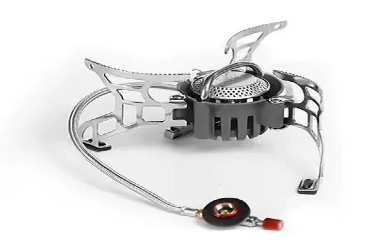
Camping gas stoves are an essential part of any outdoor adventure, providing a reliable way to cook meals while exploring the wilderness. However, like any outdoor gear, they can sometimes experience issues, such as not lighting or having a weak flame. These problems can be frustrating, especially when you're eager to cook a warm meal after a long day of hiking or camping. Troubleshooting these issues is crucial to ensure your stove works efficiently, allowing you to enjoy your outdoor experience. In this article, we'll explore common causes for these problems and provide a step-by-step guide to help you fix them, so you can get your stove back up and running in no time.
Camping gas stoves are reliable tools for outdoor cooking, but sometimes they can run into issues. Two common problems are the stove not lighting and a weak flame. Here’s a quick look at the causes of these issues and how to address them.
Several factors could prevent your stove from igniting:
Gas Flow Issues: Check if the fuel canister is connected properly and the valve is open. A blockage or frozen fuel can prevent the gas from reaching the burner.
Faulty Ignition: If the stove has an electric ignition, a dirty or malfunctioning ignition system may fail to spark. Cleaning or replacing the ignition may be necessary.
Empty Fuel Canister: Ensure the fuel canister isn’t empty. Even if there's some gas left, it may not be enough to ignite the stove.
Fuel Line Blockage: Inspect the fuel line for any kinks or debris that could be obstructing the gas flow.
If the flame is weak, cooking becomes inefficient. Here are common causes:
Insufficient Fuel: A nearly empty or poorly connected fuel canister can cause a weak flame. Make sure there is enough fuel and the canister is securely attached.
Clogged Burner: Dirt and food particles can clog the burner ports, restricting the gas flow. Clean the burner regularly to maintain proper flame strength.
Air-to-Gas Mixture Issues: An improper air-to-gas ratio can lead to a weak flame. Ensure the air vents are clear and the burner is correctly adjusted for efficient burning.
Cold Weather: Butane struggles in cold weather, producing a weaker flame. Propane is better suited for low temperatures, so use it in freezing conditions.
If your camping gas stove isn't working properly, following a step-by-step troubleshooting guide can help you quickly identify and fix the problem. Here’s how to troubleshoot some common issues with your stove:
Ensure that the fuel canister or liquid fuel tank is full and properly connected. An empty or improperly attached canister is one of the most common causes of a stove that won’t light or has a weak flame. If using a canister, double-check that it’s tightly screwed into the stove. For liquid fuels, confirm the tank is full and connected securely to the stove.
If the stove isn’t lighting or the flame is weak, inspect the ignition system. If the stove has an electric ignition, check for dirt or grime around the igniter. Clean it carefully to remove any build-up that could prevent it from sparking. If the ignition mechanism is still not working, you may need to replace it.
Fuel leaks are dangerous and can prevent the stove from working efficiently. Inspect the fuel connection and hoses for any signs of leakage. Apply a soap-and-water solution to the connections and look for bubbles, which indicate a leak. If you find a leak, tighten the connection or replace the hose if necessary.
A clogged burner can lead to a weak flame or prevent the stove from lighting altogether. Clean the burner ports and ensure there are no blockages. Use a small brush or compressed air to remove any debris. Clearing the burner ensures proper gas flow and helps maintain a strong, steady flame.
Check the fuel valve and make sure it is set to the proper level. If the fuel flow is too low, the stove may not produce enough heat. Adjust the valve to increase the flow, ensuring the stove receives the correct amount of fuel for efficient burning. Also, check for any obstructions in the fuel line that could restrict flow.
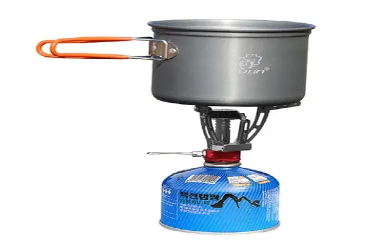
Proper preventive maintenance is key to ensuring your camping gas stove continues to perform efficiently and reliably on all your outdoor trips. Regular cleaning, correct storage, and safe handling of fuel canisters will help extend the lifespan of your stove and prevent common issues.
Clean the Burner Ports: After each use, clean the burner ports to remove any debris or food particles that could clog the gas flow. Use a small brush or compressed air to clear the ports and keep the airflow smooth.
Clean the Ignition System: Regularly inspect and clean the ignition system to ensure it sparks properly. Dirt or grime can accumulate over time, preventing ignition. A quick wipe with a cloth or air blast can remove buildup and improve performance.
Check the Fuel Line: Periodically inspect the fuel line for kinks, cracks, or blockages. A damaged fuel line can cause gas leaks or poor stove performance. Replace the line if necessary.
Avoid Damage: Always store your stove in a dry, cool place, away from moisture or extreme temperatures that could cause damage. Stoves exposed to wet or damp environments may develop rust or corrosion, affecting their performance and safety.
Properly Disassemble: After use, remove any fuel canisters and clean off any remaining fuel residue to prevent leaks or buildup. Store the stove disassembled, ensuring no components are exposed to elements that could cause wear or corrosion.
Use a Storage Case: If possible, store the stove in a protective case or bag to prevent scratches or dents from external objects.
Cool and Dry Place: Always store fuel canisters in a cool, dry place away from heat sources, direct sunlight, and extreme temperatures. High temperatures can cause canisters to become pressurized, leading to leaks or accidents.
Avoid Freezing Conditions: If using butane or isobutane fuel canisters, store them in temperatures above 32°F (0°C), as cold temperatures can prevent these fuels from vaporizing properly.
Separate from Stove: Store fuel canisters separately from the stove to prevent potential accidents in case of a leak or malfunction.
There are several common causes for a stove not lighting, including an empty fuel canister, a faulty ignition system, or gas flow issues. Start by ensuring the fuel canister is properly connected and has enough gas. Check the ignition system for dirt or damage that could be preventing sparks. If the stove still won’t light, inspect the fuel line for blockages or leaks that may be restricting gas flow.
If your camping stove is producing a weak flame, start by checking for clogs in the burner ports, which can restrict gas flow. Make sure the fuel valve is fully open and the gas is flowing at the correct rate. Also, inspect the fuel canister to ensure it's not empty or improperly connected, as these issues can lead to an inadequate flame. If the stove is in cold conditions, consider using a propane canister, as butane performs poorly in freezing temperatures.
To avoid malfunctions, regularly clean the burner ports to prevent clogs, check the stove for leaks, and store fuel canisters in a cool, dry place. Before each trip, inspect the stove’s components, including the fuel line and ignition system, for any signs of wear or damage. Proper storage and maintenance of your stove will help ensure reliable performance during your outdoor adventures.
Camping stoves should only be used outdoors in well-ventilated areas. Using a camping stove indoors or in enclosed spaces can lead to carbon monoxide buildup, posing a serious health risk, and increases the chance of a fire. Always make sure the stove is used in a well-ventilated outdoor area to ensure safety during operation. Never use a camping stove inside a tent, vehicle, or cabin without proper ventilation.
In conclusion, troubleshooting and maintaining your camping gas stove is crucial to ensure its reliable performance during outdoor adventures. Regular maintenance, such as checking the fuel supply, cleaning the burner ports, and inspecting the ignition system, can prevent common issues like weak flames or stoves that won’t light. By performing routine checks and proper storage of both your stove and fuel canisters, you can avoid potential problems that could disrupt your camping trip. Taking the time to maintain your stove not only extends its lifespan but also ensures that it’s ready for action whenever you need it, allowing you to enjoy hassle-free meals on your next adventure.