Views: 0 Author: Site Editor Publish Time: 2026-01-03 Origin: Site


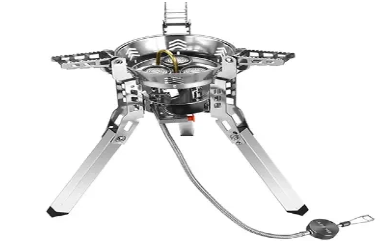
Before using your camping gas stove, it's crucial to check for gas leaks to ensure safety. Gas leaks can pose serious risks, including the potential for fire, explosions, or carbon monoxide poisoning. Even a small leak can compromise the stove's performance and create a hazardous environment. Performing a simple gas leak check before each use will help you avoid these dangers and ensure that your stove operates safely. In this article, we will guide you through how to properly check for gas leaks, identify potential issues, and take the necessary steps to keep your camping experience safe.
When using a camping gas stove, detecting a gas leak early is crucial to ensure safety. Gas leaks can lead to serious dangers, including fire or explosions. Here are the common signs that indicate a potential gas leak:
One of the most common signs of a gas leak is the distinct smell of gas. Most camping fuel gases, including propane and butane, are odorless by nature, but manufacturers add a sulfur-like odor (similar to rotten eggs) to make leaks easily detectable. If you notice this smell near the stove, it's a strong indication that there may be a leak in the fuel line or connections.
A hissing noise near the stove can also be a sign of a gas leak. If the gas is escaping from the canister or connections, you might hear the sound of gas under pressure escaping. This can happen if a valve or connection is not sealed properly. Even if the sound is faint, it should not be ignored, as it may indicate a slow leak that could become more dangerous over time.
If you notice any visible damage to the stove’s components, such as cracked hoses or loose connections, this can also lead to a gas leak. Damage may be caused by wear and tear, exposure to extreme temperatures, or improper storage of the stove. Always inspect the stove before use.
If the flame on your stove is unusually low, flickering, or inconsistent, this could indicate a gas leak or blockage in the fuel line. A healthy, functioning stove should produce a steady, blue flame when ignited. An irregular flame pattern may suggest that gas is escaping or the stove isn't getting a consistent fuel supply.
Before using your camping gas stove, it’s essential to check for potential gas leaks to ensure safety. Gas leaks can lead to dangerous situations, so performing a proper inspection is a critical step in preparing for your trip. Here are the methods you can use to check for leaks effectively:
Start with a visual inspection of your stove, fuel canister, and all associated connections. Here’s what to look for:
Damaged Hoses: Check the fuel hoses for any signs of wear and tear, cracks, or punctures. Over time, hoses can degrade, especially with exposure to sunlight, extreme temperatures, or rough handling. If you see any damage, replace the hose immediately.
Loose Connections: Inspect the connections between the stove and the fuel canister. Ensure that all connections are tightly secured. Loose connections can cause gas to leak when the stove is in use. If a connection feels loose, tighten it carefully.
By thoroughly inspecting these components, you can often detect visible signs of damage or misalignment that may lead to a gas leak.
The soap and water method is a simple and effective way to detect gas leaks. Here’s how to do it:
Prepare the Solution: Mix equal parts of water and dish soap in a spray bottle or a small container.
Apply the Solution: Spray or apply the soapy water to the fuel connections, hose, and valve area of the stove. Pay close attention to where the fuel canister connects to the stove.
Look for Bubbles: If there is a gas leak, you will see bubbles forming where the gas is escaping. This is a clear indication of a leak. If you spot bubbles, immediately turn off the gas supply and make the necessary repairs before using the stove.
The soap and water method is a safe and reliable way to detect even small leaks that may be difficult to notice otherwise.
For an even more thorough check, you can use a gas leak detection kit, which is available at most camping or hardware stores. These kits are specifically designed to detect gas leaks in appliances like camping stoves. Here’s how to use one:
Follow Kit Instructions: Commercial gas leak detection kits usually come with a spray or liquid solution that you apply to the fuel connections and hoses. Follow the instructions provided with the kit carefully for the best results.
Look for Indicators: Just like the soap and water method, the kit will react to gas leaks by producing bubbles or a color change at the leak site. Some kits also have specific indicators to help you spot leaks quickly.
Professional Use: If the kit detects a leak, take appropriate action by tightening connections, replacing damaged components, or seeking professional repair if necessary.
Using a leak detection kit offers an extra level of safety, especially if you're unsure about the integrity of the fuel system.
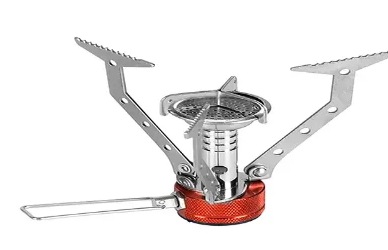
If you find a gas leak while inspecting your camping gas stove, it’s important to act quickly to prevent accidents like fires or explosions. Here's what to do:
First, shut off the gas supply to stop the leak:
Close the fuel canister valve to stop gas flow.
Turn off the stove to avoid any potential ignition.
Move to a well-ventilated area to allow any gas to disperse, and avoid ignition sources until it’s safe.
If a component is damaged:
Replace hoses if cracked or worn.
Replace faulty regulators to ensure proper gas flow.
If the fuel canister is leaking, dispose of it safely and replace it.
Make sure replacements are compatible with your stove model.
If the leak is severe or you can’t identify the source:
Contact the manufacturer for advice, especially if the stove is under warranty.
If the issue is complex, take the stove to a repair technician.
Don’t risk using a damaged stove—professional repair ensures safety.
To keep your camping gas stove in safe working order, it’s important to take steps to prevent future gas leaks. Regular maintenance and proper storage are key to ensuring the stove remains reliable and safe. Here’s how to prevent leaks:
Regularly check and maintain key components to prevent leaks:
Inspect Hoses: Look for cracks or damage on fuel hoses. Replace any damaged hoses to avoid leaks.
Check Regulators and Connections: Ensure regulators and connections are secure. Tighten loose connections and replace corroded or damaged parts.
Clean Burners: Keep burner ports and fuel lines clean to prevent clogs or leaks. Regularly brush off debris or use compressed air.
Test for Leaks: After maintenance, use the soap and water method or a leak detection kit to check for any leaks.
Properly storing gas canisters is essential for preventing damage:
Store in a Cool, Dry Place: Keep fuel canisters away from heat or direct sunlight. Extreme temperatures can damage the canisters and cause leaks.
Avoid Storing in Vehicles: Never store canisters in cars or confined spaces where temperatures can fluctuate. This can lead to leaks or dangerous pressure buildup.
Use Protective Cases: Store canisters in protective cases during transport to prevent damage.
Signs of a gas leak include a smell of gas, a hissing noise, or visible bubbles when checking with the soap-and-water method.
To check for gas leaks, inspect connections for damage, use the soap and water method to look for bubbles, or use a gas leak detection kit.
No, if you suspect a gas leak, do not use the stove. Turn off the gas and repair or replace the damaged parts before using it again.
Regularly inspect hoses, replace damaged parts, and store fuel canisters properly to avoid gas leaks. Maintenance is key to preventing future issues.
Preventing gas leaks is essential for the safety and reliability of your camping gas stove. By performing regular maintenance—such as inspecting hoses, connections, and burners—and ensuring proper storage of fuel canisters, you can significantly reduce the risk of leaks. Always store canisters in a cool, dry place and check for leaks after any maintenance. These proactive steps will keep your stove functioning optimally, allowing you to enjoy safe and hassle-free cooking during your outdoor adventures. Prioritize these preventive measures to ensure your stove remains safe for many camping trips to come.