Views: 0 Author: Site Editor Publish Time: 2025-12-15 Origin: Site


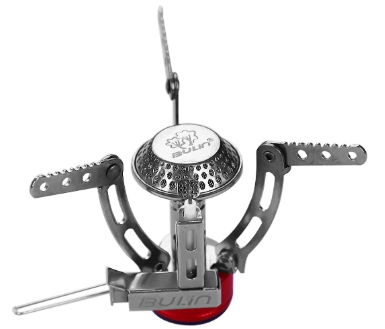
Can you safely use a camping stove indoors? Many people rely on Camping Gas Stoves for outdoor cooking, but what happens when you're indoors? The risks of fire, carbon monoxide, and gas leaks are real concerns.
In this article, we’ll explore whether it’s safe to use a camping stove indoors and discuss the precautions you should take. You’ll also learn about safer alternatives for indoor cooking.
Camping stoves are primarily designed to withstand outdoor conditions. They are built to be compact, portable, and easy to use in open spaces. Whether you're boiling water or preparing a meal, they offer convenience, especially in remote areas. However, using them indoors comes with several challenges that you may not face outdoors.
Not all camping stoves are created equal. Camping Gas Stoves use pressurized canisters filled with propane or butane, which burns efficiently and produces a controlled flame. However, gas stoves are not the only option. Alcohol stoves and multi-fuel stoves are also available and are often safer for indoor use, especially when proper ventilation is available.
When choosing a stove for indoor use, it’s essential to consider the fuel type. Propane and butane stoves may not be ideal for small or poorly ventilated spaces due to the risk of gas buildup. Alcohol stoves, on the other hand, burn cleaner and produce fewer harmful emissions.
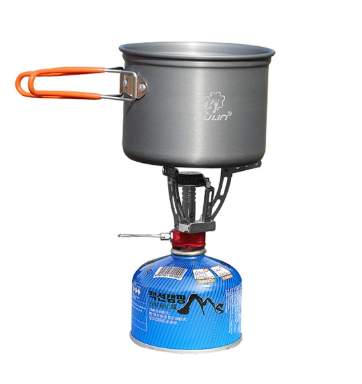
One of the primary dangers of using a Camping Gas Stove indoors is the risk of fire. These stoves produce an open flame, which can easily ignite nearby flammable materials. In a poorly ventilated room, the fire can spread quickly, leading to significant damage.
The most insidious risk when using camping stoves indoors is carbon monoxide (CO) poisoning. CO is an odorless, colorless gas produced when fuel is burned. In enclosed spaces, CO can accumulate to dangerous levels and cause dizziness, nausea, and even death. This is a particular concern with Camping Gas Stoves, which may not burn completely if the fuel supply is insufficient or the stove is not functioning properly.
Another potential danger of using a Camping Gas Stove indoors is the risk of gas leaks. If the stove’s connections are not secure or if the canister is damaged, gas can leak into the air. This can create a risk of flash fires or even explosions.
Tip: Always check the stove for gas leaks before use. Ensure that all connections are tight and that the stove is in good working condition.
Although Camping Gas Stoves can be used indoors, they require careful attention to ventilation. For safe use, the room should be well-ventilated, preferably with open windows or a functioning exhaust system. Propane stoves are generally safer when used in these conditions, as the combustion process is more efficient, reducing the chances of harmful gas buildup.
For those looking for a safer alternative to propane or butane, alcohol stoves are a great option. These stoves burn cleanly, producing less carbon monoxide and making them suitable for use in small spaces. Camping Gas Stoves may still be an option for well-ventilated areas, but alcohol stoves are generally safer for indoor environments.
Other alternatives include canned heat, such as Sterno, which burns alcohol gel in a can. These are safer than gas stoves, though they still require proper handling.
| Stove Type | Fuel Type | Safety for Indoor Use | Additional Notes |
| Camping Gas Stove | Propane/Butane | Moderate | Safe with proper ventilation; risk of gas leaks. |
| Alcohol Stove | Denatured Alcohol | High | Burns cleanly, lower CO production, ideal for small spaces. |
| Canned Heat (Sterno) | Alcohol Gel | High | Safe for short-term use, easy to handle. |
| Multi-Fuel Stove | Various (Gas, Alcohol) | Moderate | Versatile but needs careful monitoring in small spaces. |
When using a Camping Gas Stove indoors, ensuring adequate ventilation is the most important safety measure. Without proper airflow, carbon monoxide can accumulate and pose a serious risk to health. Always ensure that the room is well-ventilated, either by opening windows or using an exhaust fan.
Tip: Never use a camping stove in a completely enclosed space, such as a small room with no windows or ventilation. Always have an exit route in case of emergency.
A malfunctioning stove can lead to leaks or other safety issues. Before using any camping stove indoors, check it thoroughly for damage, such as loose fittings or worn-out seals. If your stove uses a gas canister, make sure the valve is closed before attaching the canister, and ensure the connection is secure.
Keep in mind that flames from Camping Gas Stoves can be unpredictable. Always ensure that the stove is placed on a stable, flat surface, away from any potential hazards. If you need to lift a pan, turn off the stove before doing so to avoid accidental flare-ups.
For a safer alternative to using a Camping Gas Stove indoors, consider canned heat, like Sterno, which burns cleanly without the risk of carbon monoxide. It’s convenient for short-term use, but should still be used with care as it produces some heat and fumes.
Another option is Meals Ready to Eat (MREs), which require no cooking and are ideal for emergencies or power outages. They can be eaten directly or heated with a small flameless heater, eliminating the need for a stove.
Alcohol stoves are a cleaner alternative to gas stoves, burning denatured alcohol or ethanol with fewer harmful byproducts. They are great for small, well-ventilated spaces and allow for adjustable flame control to manage heat efficiently.
Other clean-burning options include electric cooktops or induction cookers, which provide a safe indoor cooking solution without the risks of open flames or carbon monoxide buildup. These are efficient, easy to clean, and a good choice for indoor cooking.
| Method | Description | Advantages | Considerations |
| Canned Heat (Sterno) | Burns alcohol gel cleanly and efficiently, requiring no refueling. | Safe for short-term use indoors, no need for refueling. | Produces a small amount of heat and fumes; should be used with care. |
| Meals Ready to Eat (MREs) | Pre-packaged meals that require no cooking, ideal for emergencies or power outages. Can be consumed straight from the package or heated with a small flameless heater. | No-cook solution, convenient for emergencies, portable. | Does not require a stove, but limited to pre-packaged meals. |
| Alcohol Stoves | Burns denatured alcohol or ethanol, producing less carbon monoxide compared to gas stoves. Ideal for small, well-ventilated spaces. | Clean burning, fewer harmful emissions, adjustable flame control. | Needs proper ventilation; not ideal for larger meals. |
| Electric Cooktops / Induction Cookers | Non-traditional indoor cooking options that don’t involve open flames, using electricity to heat. | Safe, no flame, highly efficient, easy to clean. | Not a camping stove, may require access to electricity. |
If you must use a Camping Gas Stove indoors, ensure you follow these safety tips:
Always place the stove on a stable, heat-resistant surface.
Ensure the room is well-ventilated by opening windows or using an exhaust fan.
Never leave the stove unattended.
Keep flammable materials away from the stove.
Use the stove in a well-lit area to easily spot any issues.
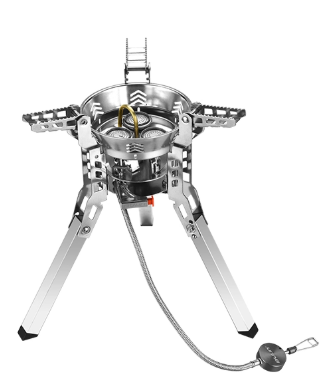
A properly functioning Camping Gas Stove should produce a blue flame with a slight orange tip. A mostly orange flame suggests that the stove is not burning efficiently and may produce more carbon monoxide.
If you feel lightheaded, nauseous, or dizzy while using a camping stove, these may be signs of carbon monoxide poisoning. Immediately turn off the stove, open a window for ventilation, and move to fresh air. Seek medical help if symptoms persist.
In this article, we explored the risks and safety measures of using a Camping Gas Stove indoors. While it is possible under certain conditions, proper ventilation and precautions are essential. For those seeking safer alternatives, Yongkang Bulin Outdoor Equipment Factory offers reliable outdoor cooking solutions with enhanced safety features. Their products are designed to provide convenience and value in various outdoor settings, making them an excellent choice for camping enthusiasts.
A: Yes, a Camping Gas Stove can be used indoors if the room is well-ventilated. Ensure the stove is in good condition and monitor for any gas leaks.
A: The main dangers are fire hazards and carbon monoxide poisoning, especially in poorly ventilated areas. Always ensure proper ventilation when using the stove indoors.
A: Alcohol stoves, canned heat, and MREs (Meals Ready to Eat) are safer options for indoor cooking.
A: Always inspect your stove for gas leaks, check the flame color, and ensure the area is well-ventilated to reduce risks.