Views: 0 Author: Site Editor Publish Time: 2026-01-05 Origin: Site


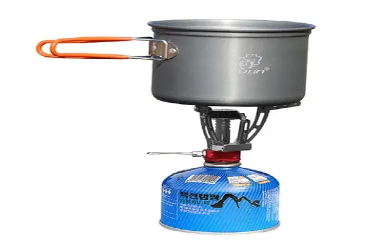
Camping gas stoves are a popular and convenient option for cooking during outdoor activities like camping, hiking, and backpacking. They provide an efficient way to prepare meals in remote locations where traditional cooking methods aren't available. These stoves are specifically designed for outdoor use, relying on liquefied gas to generate heat. However, some campers may wonder whether it’s safe to use a camping gas stove indoors. While these stoves are typically designed for open-air environments, there are important safety considerations to keep in mind. This article will explore the potential risks and provide guidance on whether it's safe to use a camping gas stove inside.
While camping gas stoves are designed for outdoor use, some may wonder whether they can be used indoors. However, using a camping gas stove inside presents several serious risks that should not be overlooked. Here are the key dangers to consider:
One of the most dangerous risks of using a camping gas stove indoors is carbon monoxide (CO) poisoning. Carbon monoxide is a colorless, odorless, and highly toxic gas that is produced during the combustion of fuel. When a stove is used indoors, especially in poorly ventilated spaces, the gas can accumulate to dangerous levels. Inhalation of carbon monoxide can lead to headaches, dizziness, confusion, and in extreme cases, even death. Because the gas is undetectable without specialized equipment, it is particularly hazardous indoors where it has no way to escape.
Another significant danger of using a camping stove indoors is the increased risk of fire. Camping gas stoves are designed for outdoor environments where the risk of fire is lower due to ample space and airflow. However, indoors, especially in small or confined areas, the stove’s open flame can easily ignite nearby flammable materials such as curtains, furniture, or paper. Without proper clearance and ventilation, a fire can spread quickly, leading to potentially devastating consequences.
Camping gas stoves require adequate airflow to function properly and safely. When used indoors, the lack of proper ventilation can result in the stove not burning efficiently and producing excess carbon monoxide. Stoves rely on a steady supply of fresh air to ensure that the fuel burns cleanly and that gases are expelled safely. In an indoor setting, where airflow is restricted, this can lead to dangerous air quality issues. Even with windows open, the limited ventilation often found indoors is insufficient to dissipate the heat and gases produced by the stove.
While camping gas stoves are primarily designed for outdoor use due to safety concerns, there are specific circumstances in which using them indoors can be safer. These include ensuring adequate ventilation and using stoves designed specifically for indoor environments. Below are the situations in which it may be safe to use a camping gas stove indoors, along with the necessary precautions.
If you absolutely need to use a camping gas stove indoors, it’s crucial to do so in a large, open area that has proper ventilation. A well-ventilated space ensures that harmful gases like carbon monoxide can escape, preventing the risk of poisoning. For example, having an open window or an outdoor vent is essential for proper airflow. This setup allows fresh air to circulate freely, which helps the stove burn more efficiently and safely. However, even with good ventilation, it’s important to avoid using a camping stove in small, confined spaces, such as tents, vehicles, or small rooms, as they may still trap harmful gases and increase the risk of exposure. Always prioritize ventilation to maintain safety.
Some specialized camping stoves are designed for indoor use and are safer because they incorporate built-in ventilation systems or burn non-toxic fuels. These stoves are typically equipped with safety features such as automatic shut-off valves, sealed burners, and low-emission technology to minimize the risks associated with gas combustion indoors. Stoves designed for indoor use often run on butane or liquid fuels, which produce fewer harmful gases like carbon monoxide compared to propane. These features make them safer for cooking indoors, especially in well-ventilated environments. However, even with these specialized models, it is still critical to follow the manufacturer’s guidelines for indoor use, ensuring you meet all the necessary safety requirements.

While camping gas stoves are incredibly useful for outdoor cooking, it’s essential to follow strict safety precautions to prevent accidents and ensure safe use, especially in indoor or semi-enclosed environments. Here are key safety guidelines to follow when using your camping stove:
Camping gas stoves are not designed for use in small, confined spaces such as tents, cars, or cabins unless there is sufficient ventilation. When used in enclosed spaces without proper airflow, camping stoves can quickly accumulate harmful gases, including carbon monoxide (CO), which is colorless, odorless, and deadly. Even with the windows open, confined spaces may not allow enough air circulation to prevent a dangerous buildup of carbon monoxide. Always use a camping stove outdoors or in well-ventilated areas to minimize the risks of poisoning and fire.
If you must use a camping stove indoors, or in an area with limited ventilation, it’s crucial to install a carbon monoxide (CO) detector. This safety device will alert you to any dangerous buildup of carbon monoxide, allowing you to act quickly. CO detectors are affordable and easy to install, and they provide a critical layer of protection when using a stove in poorly ventilated indoor areas. Never assume that opening a window or door will provide enough airflow—always use a CO detector to ensure your safety.
To further enhance safety, it’s important to choose a camping stove with built-in safety features. Look for stoves that are equipped with automatic shut-off valves or safety pressure regulators that can detect when the stove is not functioning properly or if there is an issue with the gas flow. These features help to prevent gas leaks, overheating, or flame-out situations, which can lead to dangerous accidents. Additionally, stoves with flame failure devices automatically shut off the gas if the flame goes out, reducing the risk of gas buildup and potential explosions.
It’s not safe to use a camping gas stove inside a tent due to the risk of carbon monoxide buildup and the increased risk of fire. Even with proper ventilation, the confined space of a tent makes it difficult for the gas to dissipate. Always use camping stoves outdoors in well-ventilated areas to ensure safety and avoid potential hazards.
The primary dangers of using a camping stove indoors are carbon monoxide poisoning and an increased risk of fire. Indoor environments often lack the necessary ventilation to allow harmful gases, such as carbon monoxide, to escape. This can lead to serious health issues, including dizziness, headaches, and even death. Additionally, the confined space indoors increases the chances of fire hazards, especially if the stove is near flammable materials.
Yes, there are certain camping stoves designed specifically for indoor use. These stoves are typically equipped with built-in ventilation systems or are designed to burn non-toxic fuels, reducing the risks of harmful gas buildup. However, even with these safety features, they still require careful monitoring, proper ventilation, and the use of a carbon monoxide detector to ensure that there are no safety concerns.
If you absolutely must use a camping stove indoors, it’s crucial to ensure adequate ventilation. Open windows or use an outdoor vent to allow fresh air to flow freely. Always install a carbon monoxide detector in the room to monitor gas levels. Additionally, avoid using the stove in confined spaces such as small rooms, vehicles, or tents, as these areas do not provide enough airflow to prevent gas buildup. Always follow the manufacturer’s safety guidelines when using your stove indoors.
In conclusion, while it’s generally not recommended to use a camping gas stove indoors due to significant safety risks, such as carbon monoxide poisoning, fire hazards, and improper ventilation, it is possible to do so with the correct precautions. Ensuring adequate ventilation is absolutely essential, as it allows harmful gases to dissipate safely, preventing dangerous buildup inside. Additionally, using stoves designed for indoor use, which come equipped with safety features like carbon monoxide detectors, automatic shut-off valves, and low-emission technology, can help mitigate some of these risks. However, for the utmost safety and peace of mind, outdoor use remains the most reliable, safest, and recommended option for using a camping gas stove.