Views: 0 Author: Site Editor Publish Time: 2026-01-12 Origin: Site


When you’re camping, cooking over a campfire can add to the adventure and charm of outdoor cooking. However, one common question that arises is whether camping cookware can safely and effectively be used over an open flame. While campfires provide a unique cooking experience, not all cookware is designed to handle the intense, direct heat. Some materials, like cast iron, excel when used over a campfire, while others, such as non-stick pans, can be damaged by the flames. In this article, we’ll explore which types of camping cookware are best suited for cooking over a campfire, the considerations to keep in mind, and the benefits and risks of campfire cooking. By understanding these factors, you can ensure your cookware performs well, and you enjoy a safe and delicious meal under the stars.
When cooking over a campfire, choosing the right camping cookware is essential for safe and efficient meals. Here’s a quick overview of the cookware materials and how they perform over direct flames:
Cast iron is the best option for campfire cooking due to its excellent heat retention and durability. It can withstand high temperatures and provides even cooking. Ideal for slow-cooked meals, frying, and baking.
Pros: Great heat retention, long-lasting, versatile.
Cons: Heavy, requires maintenance, slow to heat up.
Stainless steel is durable and heat-resistant, making it great for campfires. It provides even heating and is easy to clean. It’s a good choice for boiling, grilling, and general cooking.
Pros: Durable, rust-resistant, even heat distribution.
Cons: Heats quickly, may burn food if not careful.
Aluminum is lightweight and conducts heat well but can warp under high direct heat from a campfire. Best used for indirect heat or moderate cooking.
Pros: Lightweight, good heat conductivity, affordable.
Cons: Warps under high heat, not durable for direct flames.
Titanium is lightweight and durable, making it ideal for backpacking. It distributes heat evenly but can warp under prolonged direct flame exposure.
Pros: Lightweight, durable, great heat distribution.
Cons: Can warp under high heat, expensive.
Non-stick cookware isn’t suitable for campfires, as the coating can break down or peel off when exposed to high heat, contaminating food and damaging the cookware.
Pros: Easy to clean, great for low-heat cooking.
Cons: Vulnerable to high heat, coating can degrade.
Cooking over a campfire can be an enjoyable and rewarding experience, but not all camping cookware is designed to handle the intensity of direct flame. When choosing cookware for campfire cooking, there are several important considerations to ensure safety and efficiency. Here are the key factors to keep in mind:
One of the most important factors when using cookware over a campfire is heat resistance. While some materials, such as cast iron and stainless steel, are built to withstand the high, direct heat of a campfire, others, like aluminum and non-stick cookware, may warp, degrade, or get damaged.
Cast iron and stainless steel can handle extreme heat and distribute it evenly, making them ideal for campfire cooking.
Aluminum, while lightweight, can warp under direct flame, and non-stick pans can lose their coating when exposed to high heat.
Always check the heat tolerance of your cookware material before using it over a campfire to avoid damage.
A campfire offers high, fluctuating heat, which may not always be suitable for certain types of cooking. For example, dishes that require steady, controlled heat—like simmering stews or frying delicate items—might not turn out well over a fluctuating flame.
Cast iron excels in this area because it retains heat evenly and can be used for slow cooking or frying.
For cooking delicate meals, such as fish or eggs, a steady cooking surface might be needed, so you may need a grate or campfire cooking stove for more controlled heat.
Campfire cooking grates or Dutch ovens can help regulate the heat more effectively, providing a surface for more consistent cooking.
The design of the cookware is another important consideration. Campfires generate not only intense heat but also potential exposure to ash, soot, and open flames, which can affect different parts of your cookware.
Handles: Many cookware handles, particularly those made from plastic or wood, can be damaged or become extremely hot when exposed to the flames. Look for cookware with heat-resistant handles or ones that have metal handles designed for high-heat conditions.
Lids: Some lids are made of glass or materials that can crack under high heat. If you're using lids, ensure they are made of heat-resistant metal or cast iron to withstand the flames.
Multi-use designs: Some camping cookware is designed to be stackable or multi-functional, which can help save space and increase cooking efficiency, especially when managing heat and flame.
Cooking over a campfire enhances the camping experience in many ways. It’s not just about food—it’s about the atmosphere and the connection to nature. Here are the main benefits of using a camping cooking set over a campfire:
Cooking over a campfire adds authenticity to your camping trip. Whether roasting marshmallows or grilling meat, the process creates a true outdoor vibe. The sounds, smells, and the simple act of cooking over an open flame make meals feel like part of the adventure.
A campfire provides high heat, perfect for tasks like grilling, searing, and boiling water quickly.
Grilling: Achieve that perfect char on meats and vegetables.
Searing: Lock in flavors with a crispy, caramelized exterior.
Boiling Water: Quickly boil water for drinks or dehydrated meals.
The fast, intense heat of a campfire makes it ideal for many outdoor cooking needs.
A campfire is versatile, offering several cooking methods.
Grills and Grates: Use a campfire grate to cook like on a stovetop.
Direct Flame: Cook directly over flames using skewers or a cast-iron skillet.
Dutch Oven: Bake, stew, or roast with a Dutch oven over the fire.
These options give you flexibility in cooking techniques, allowing for various meal preparations.
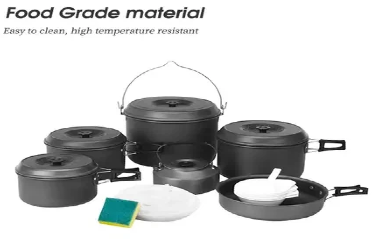
Cooking over a campfire can be rewarding, but it comes with some risks and precautions. Here are the key things to consider:
Not all cookware is built to withstand direct flames. Non-stick cookware and aluminum can warp, degrade, or melt under high heat. Even stainless steel and titanium may suffer from prolonged exposure.
Non-stick coatings can break down at high temperatures.
Aluminum can warp, and titanium may warp under extreme heat.
Ensure your cookware is designed for campfire use to avoid damage.
Cookware gets extremely hot over an open flame, and mishandling can lead to burns.
Always use heat-resistant gloves or pot holders.
Be cautious with hot handles and ensure cookware is stable to avoid spills or accidents.
Proper care will keep you safe while cooking.
Cookware like cast iron can give food a smoky, rich flavor, which enhances some dishes but may not be ideal for others.
Cast iron works well for hearty meals but can alter the flavor of delicate foods like fish.
Consider the impact on food taste when choosing your cookware.
Non-stick cookware is not ideal for direct campfire use as the coating may degrade under high heat.
Aluminum is lightweight but can warp and lose its non-stick properties when exposed to high direct heat from a campfire.
Titanium cookware can handle campfire heat but may warp if exposed to direct flames for too long.
Cast iron and stainless steel are the best options for campfire cooking due to their durability and ability to withstand direct heat.
Cooking over a campfire can elevate your outdoor experience, but choosing the right camping cookware is key to both safety and meal quality. Cast iron and stainless steel are the top choices for campfire cooking due to their ability to withstand high heat, retain heat evenly, and provide excellent durability. Titanium and aluminum are lighter but may warp if exposed to excessive heat, so they require more careful handling. Non-stick cookware should generally be avoided, as the high temperatures can damage the coating. To cook safely and effectively, always ensure your cookware is designed for campfire use, handle it with heat-resistant gloves or pot holders, and ensure the cooking surface is stable to avoid accidents. Also, keep in mind that materials like cast iron may alter the flavor of your food, which can be a bonus or a drawback depending on your meal. By following these tips, you can enjoy both safe cooking and delicious meals around the campfire.