Views: 0 Author: Site Editor Publish Time: 2025-11-11 Origin: Site


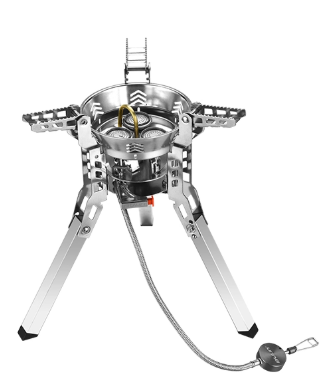
Camping trips are a chance to disconnect, but choosing the right stove can be tricky. Should you go for a Camping Wood Burning Stove or a gas stove? Both have their advantages, but which one is truly best for your needs? In this article, we'll compare both options in detail. You'll discover the pros and cons of each, helping you make an informed decision about which stove suits your camping style.
A Camping Wood Burning Stove is a portable stove designed to burn wood for heat and cooking. These stoves come in a variety of designs, typically made from durable materials like steel or cast iron, and are engineered to withstand the harsh conditions of the outdoors. Unlike gas stoves, which rely on canisters of fuel, wood stoves use readily available, renewable resources such as sticks, branches, and logs.
Cost-Effectiveness: A Camping Wood Burning Stove may have a higher upfront cost compared to a gas stove. However, its long-term savings are significant. Fueling the stove with wood, which can often be found for free in forests or campsites, eliminates the need for costly gas canisters.
Eco-Friendly: Wood is a renewable fuel source, and when used responsibly, it can offer a much more sustainable option than gas. Wood burning stoves produce fewer carbon emissions than gas stoves, making them an environmentally friendly choice for eco-conscious campers.
Simplicity and Durability: Wood burning stoves are incredibly simple to operate. With no complicated regulators or hoses, these stoves are easy to set up and use. Plus, their sturdy construction ensures longevity. They are often more reliable than gas stoves, which may require more maintenance or replacement parts over time.
A Camping Wood Burning Stove isn't just for cooking. It can also be used for:
Heating: Keeps you warm during colder nights.
Drying Clothes: Ideal for drying wet clothes and gear, especially in rainy weather.
Hot Water: Heats water for washing and cleaning without relying on electricity.
Ambiance: A wood fire adds a rustic charm and cozy atmosphere to your campsite.
Gas camping stoves are compact, portable cooking appliances that burn fuel, typically propane or butane, to generate heat. These stoves are known for their quick setup, ease of use, and precise heat control. They are a popular choice for campers who prioritize convenience and efficiency.
Convenience: Gas stoves provide instant ignition and adjustable heat, making them incredibly easy to use. Whether you're boiling water, frying eggs, or simmering a stew, gas stoves offer precise temperature control.
Portability: Most gas stoves are lightweight and compact, which makes them ideal for backpacking or any camping trip where weight and space are a concern.
Clean Burning: Gas stoves burn cleanly, without producing the smoke and soot associated with wood burning stoves. This makes them easier to clean and maintain, with no ash to dispose of.
Quick Cooking: Gas stoves provide rapid, consistent heat, which is perfect for campers looking for quick meals without the hassle of waiting for a fire to build up.
While gas stoves are undoubtedly convenient, they have their downsides:
Fuel Dependency: Gas stoves require canisters, which can be bulky and may run out mid-trip, leaving you scrambling for more.
Environmental Impact: Gas is a non-renewable resource and emits carbon emissions, contributing to environmental degradation.
Higher Costs Over Time: While gas stoves are cheaper initially, the ongoing cost of buying gas canisters can add up over time, especially during long camping trips.
Wood: One of the biggest advantages of a Camping Wood Burning Stove is the availability of fuel. Wood is a renewable resource, and in many outdoor settings, it’s abundant. Whether you’re camping in a forest or a designated campsite, you can gather wood or buy it locally.
Gas: Gas stoves require fuel canisters, which must be purchased and transported. This can be inconvenient, especially in remote locations where finding refills may be difficult. Gas is also a non-renewable resource, and its production and transportation contribute to environmental harm.
Winner: The Camping Wood Burning Stove wins on sustainability, as wood is a renewable, carbon-neutral fuel. Gas stoves rely on fossil fuels, which are limited and contribute to greenhouse gas emissions.
While a Camping Wood Burning Stove may have a higher upfront cost, it is generally much cheaper to operate over time. Wood, in many areas, is either free or very inexpensive, whereas gas canisters need to be purchased regularly and can be expensive, particularly in remote areas. Camping Wood Burning Stoves are more cost-effective in the long run, especially for extended trips.

Wood Stoves: A Camping Wood Burning Stove can provide a consistent and substantial heat source, ideal for warming up and cooking over long periods. However, wood burning stoves tend to take longer to heat up and require constant attention to maintain the fire.
Gas Stoves: Gas stoves, on the other hand, offer immediate heat and precise control over cooking temperatures. They are perfect for quick meals but lack the warmth and rustic ambiance that a wood stove provides.
Winner: Gas stoves are faster and more efficient for cooking, but wood stoves offer a more immersive and versatile experience.
Wood Stoves: A wood burning stove provides both cooking and heating capabilities, making it ideal for colder climates or longer trips where you need both.
Gas Stoves: While gas stoves are great for cooking, they do not provide heating, making them less versatile for colder camping conditions.
Winner: Camping Wood Burning Stoves take the lead in multi-functionality, offering both cooking and heating in one appliance.
Wood Stoves: While wood burning stoves are typically heavier and bulkier, they are built to last and are incredibly durable. They require some effort to set up, especially when it comes to gathering and preparing fuel.
Gas Stoves: Gas stoves are lightweight, portable, and incredibly easy to set up. Simply attach the fuel canister, ignite and you're ready to cook.
Winner: Gas stoves are much more convenient for quick setup and portability.
Wood: Managing fuel for a wood burning stove requires finding and chopping wood, which may not be ideal for all campers, especially those looking for a more streamlined experience.
Gas: Gas stoves only require fuel canisters, making them easier to manage. However, running out of gas can be an issue if you haven't packed enough canisters.
Winner: Gas stoves provide more convenience in fuel management, though they are dependent on having enough canisters.
Nothing beats the ambiance of a crackling fire. A Camping Wood Burning Stove offers a cozy, rustic experience that a gas stove simply can’t match. The warmth, the sound of the fire, and the glow of the embers create a unique and memorable outdoor atmosphere.
Winner: Camping Wood Burning Stoves for their unmatched ambiance and charm.
While gas stoves are clean, efficient, and fast, they don’t offer the same warmth or sensory experience as wood stoves. They are purely functional and lack the rustic charm that many campers seek.
Winner: Wood stoves take the lead for those looking for an authentic camping experience.
A Camping Wood Burning Stove is perfect for campers who:
Value sustainability and eco-friendliness.
Prefer a traditional, rustic camping experience.
Need both a cooking and heating source for extended trips.
Gas stoves are ideal for campers who:
Prioritize convenience and speed.
Want precise heat control for quick meals.
Are short on time or don't want to deal with wood preparation.
Choosing between a Camping Wood Burning Stove and a gas stove depends on your specific needs and camping style. If you seek a sustainable, versatile stove that provides both heat and cooking capabilities, a wood burning stove is ideal. However, if convenience, speed, and portability are more important, a gas stove might be a better option.
For those who enjoy the outdoors and value a traditional camping experience, the Camping Wood Burning Stove is the best choice. However, if you're after simplicity and efficiency, especially for quick adventures, a gas stove could be more suitable. Bulin offers a variety of high-quality camping stoves, ensuring durability and top-notch performance. Their products are designed to meet the needs of every camper, providing reliability and ease during your outdoor adventures.
A: A Camping Wood Burning Stove is a portable stove that burns wood for heat and cooking. It's ideal for outdoor camping trips, offering sustainability and versatility compared to gas stoves.
A: A Camping Wood Burning Stove offers a more eco-friendly and cost-effective solution. It provides both cooking and heating capabilities, making it perfect for longer camping trips, unlike the camping wood burning stove vs gas which focuses mainly on cooking.
A: While the initial cost of a Camping Wood Burning Stove may be higher, it's more cost-effective over time since wood is a renewable and often free fuel source compared to the recurring cost of gas canisters.