Views: 0 Author: Site Editor Publish Time: 2025-11-12 Origin: Site


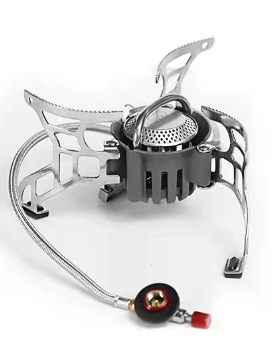
Camping with a wood burning stove can be an unforgettable experience, offering warmth, comfort, and versatility. Whether you're cooking meals or keeping your tent warm, the efficiency of your camping wood burning stove can significantly impact your outdoor adventure. This guide provides 7 essential tips to help you maximize the performance of your camping stove, ensuring you get the most heat with minimal effort.
Choosing the right stove is the first step toward maximizing your stove's efficiency. There are many models available, from small, lightweight stoves perfect for backpackers to larger, more robust stoves suited for family camping. The size of your stove should align with your needs and the size of your tent or campsite.
A portable camping wood burning stove works best for individuals or couples on the go, as it's compact and easy to pack. On the other hand, a larger stove might be necessary for a larger group or extended trips. Ensure your stove fits comfortably in your tent and has enough capacity to provide heat without taking up too much space.
The type of wood you use will directly affect the efficiency of your stove. Hardwoods like oak, hickory, and maple provide longer burn times and higher heat output compared to softwoods such as pine or cedar. This is because hardwoods burn hotter and produce less smoke, creating a more efficient and cleaner burn. Always opt for seasoned wood (wood that has dried for at least six months) to avoid excess smoke and low heat. Wet or green wood reduces the stove's efficiency, making it harder to start a fire and causing more maintenance afterward.
If you're embarking on a backcountry trip, portability is key. A lightweight and compact stove will save you space and weight in your pack, allowing you to carry other essential gear. If your camping site has vehicle access, a larger, heavier stove with more fuel capacity might be a better choice for extended stays. Choose a stove that balances efficiency and portability, ensuring that it's easy to carry but also provides enough heat for your needs.
The size and material of your tent play a major role in how efficiently your camping wood burning stove will heat the space. Larger tents, especially those made of thinner materials, can lose heat quickly. Choosing an insulated canvas tent can significantly improve heat retention, allowing you to make the most of your stove's output. Floor insulation is equally important. Foam mats or heavy-duty tarps can reduce heat loss through the ground, ensuring your tent remains warm for longer periods.
Where you place your stove inside the tent is crucial for efficient heat distribution. The center of the tent is ideal, as it allows heat to spread evenly throughout the space. Avoid placing your stove near the entrance, as this can lead to heat loss whenever someone enters or exits the tent. Ensure there's sufficient space around the stove for air circulation. This helps maintain airflow and ensures that the fire burns efficiently.
Airflow is critical for maintaining the efficiency of your stove. Proper ventilation helps control the burn rate and allows your stove to burn hotter and more efficiently. Avoid covering vents or sealing up windows too tightly, as this will stifle the oxygen needed for combustion. A well-ventilated tent will allow you to enjoy the heat without risking carbon monoxide buildup.
As mentioned, the type of wood you burn is critical to efficiency. Hardwoods such as oak, birch, and ash produce more heat and burn longer than softwoods like pine or cedar. Using properly dried, seasoned wood will also help achieve a hotter fire with less smoke. Stack your firewood in a dry area before your trip. Wet wood can make your stove work harder and reduce the heat output.
Properly stacking your wood is essential for maintaining a steady and efficient burn. Avoid tightly packing the wood, as this reduces airflow and inhibits the fire from reaching its optimal temperature. Loose stacking allows oxygen to reach the fire, helping it burn hotter and more consistently. Always add wood gradually to maintain a steady fire. Throwing large logs onto the fire all at once can lead to inefficient burning and wasted fuel.
A hotbed of coals is vital for maximizing heat output. To create this, start your fire with tinder and small kindling, and gradually add larger logs as the fire grows. Maintaining a consistent bed of coals at the bottom of the stove allows you to add wood as needed without losing heat. A hotbed of coals ensures that the stove maintains a high temperature for longer, reducing the need for frequent wood additions.
A stove thermometer is a simple yet effective tool to monitor the temperature inside your stove. By checking the temperature, you can adjust the amount of wood you add, ensuring you're getting the most heat without overloading the stove. Keep an eye on the temperature to avoid overfiring the stove. A thermometer will help you fine-tune the burn for the best heat output.
Stove fans are excellent accessories for improving heat circulation in larger tents. A fan can help distribute heat evenly throughout the tent, ensuring that you stay warm no matter where you're sitting. Fans are particularly useful in larger camping shelters where heat may struggle to reach the corners. A stove fan can make a significant difference in heat distribution, allowing you to enjoy a more comfortable camping experience.
Once the fire has died down, the heat stored in bricks can continue to warm your tent. Fire bricks or stones placed behind the stove absorb heat and slowly release it after the fire goes out. This is an efficient way to prolong warmth in your tent without needing to keep the fire going all night. Using bricks to store heat is an energy-efficient way to maintain warmth long after your fire has burned out.
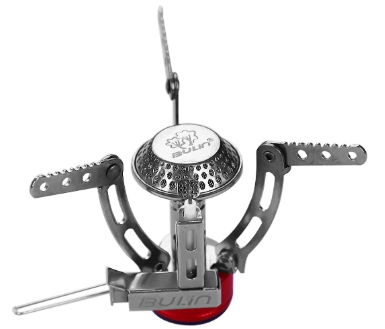
Maintaining your stove is crucial for ensuring its continued efficiency. After each use, clean out the ash and soot that can build up in the stove and chimney. This will prevent blockages that can impede airflow, making your stove work harder and less efficiently. Regular cleaning helps maintain optimal heat output and ensures the stove lasts for many camping seasons.
Over time, creosote and ash can build up in the stove's chimney and pipes, blocking airflow and reducing stove efficiency. Regular inspections and cleanings of the chimney and pipes are essential for preventing this buildup. Check your stove's chimney before each camping trip. A blocked chimney can cause dangerous smoke buildup inside your tent.
The air vents on your camping wood burning stove control the amount of oxygen the fire receives, which affects its intensity and burn rate. Opening the vents allows for a hotter fire, while closing them can slow the burn and make the fire last longer. Experiment with air vent settings to achieve the perfect balance between fire intensity and burn time.
Strong winds can reduce the efficiency of your stove by cooling down the flames. Create wind barriers using rocks, logs, or other natural materials to protect your stove from gusts. This will help maintain a higher temperature and improve fuel efficiency. Always consider the wind direction when setting up your stove and protect it from any drafts.
Maximizing the efficiency of your camping wood burning stove goes beyond choosing the right model. It involves understanding the proper fueling, placement, and maintenance to achieve optimal performance. By following these 7 essential tips, you can boost your stove's heat output, extend its lifespan, and enhance your camping experience.Regular maintenance and careful planning can greatly improve your stove's efficiency, ensuring warmth and comfort during your outdoor adventures. The Camping Wood Burning Stove from Bulin offers exceptional performance, with features designed to provide warmth and efficiency, making it an ideal choice for your next camping trip.
A: To maximize your camping wood burning stove efficiency, use dry hardwood, stack wood loosely for better airflow, and place your stove in the center of your tent for even heat distribution.
A: Hardwoods like oak and birch are best for camping wood burning stoves because they burn hotter and longer, producing less smoke.
A: It's not ideal, as camping wood burning stove efficiency tips suggest using dry wood. Wet wood can cause poor combustion and more smoke.