Views: 0 Author: Site Editor Publish Time: 2025-11-14 Origin: Site


Aluminium cookware is a popular choice due to its affordability and excellent heat conductivity. But is it really safe to use in the kitchen? This article explores the potential risks and benefits of aluminium cookware. You'll learn about aluminium exposure, leaching, and how to use it safely.
Aluminium is a standout material in cookware due to its remarkable ability to conduct heat. It heats up quickly and distributes heat evenly across the surface. This property is essential for even cooking and preventing hotspots, ensuring that food is cooked consistently. In high-heat cooking methods, like searing or frying, this quick responsiveness is particularly beneficial. Aluminium cookware is perfect for quick cooking techniques, like stir-frying, where even heat distribution is crucial.
One of the key reasons aluminium cookware is so widely used is its affordability. Compared to stainless steel or copper cookware, aluminium is considerably cheaper. This makes it accessible for many households. Furthermore, it is lightweight, which makes it easy to handle, especially for larger pots and pans.
Aluminium cookware is quite durable, especially when anodized or coated with nonstick layers. It resists rusting, unlike iron-based cookware, and can be used for a wide range of cooking methods. Whether you're frying, boiling or even baking, aluminium cookware performs well across different cooking styles.
One of the most common concerns with aluminium cookware is whether it leaches into food, particularly when cooking acidic or salty dishes. Aluminium has a tendency to react with these foods, potentially transferring small amounts of aluminium into the food. Studies show that when cooking high-acid foods like tomatoes or citrus, aluminium pans can give food a metallic taste, though the amount leached is generally small.The amount of aluminium leached is usually well below the daily safe intake level, but frequent exposure over time may still be a concern.
Aluminium's potential link to health problems, especially neurological conditions like Alzheimer's disease, has been a topic of debate for years. Some early studies suggested a connection between high aluminium levels in the brain and Alzheimer's, leading to fears about aluminium exposure. However, more recent studies have not conclusively linked aluminium cookware with Alzheimer's or other diseases. While aluminium cookware may leach a tiny amount of aluminium into food, there’s no solid evidence linking it to Alzheimer's. Concerns are mostly based on outdated research.
Studies indicate that even when cooking acidic foods, the amount of aluminium that leaches into food is minimal. For example, when tomato sauce is cooked in an aluminium pot, only a fraction of a milligram of aluminium leaches into the food per cup. This is far below the weekly safe intake limit established by health authorities.
Anodized aluminium is aluminium cookware that has undergone a special electrochemical process. This process creates a thick, non-reactive oxide layer on the surface of the cookware, making it more durable and less likely to react with foods. This layer also enhances the cookware's resistance to corrosion and wear. If you're concerned about aluminium leaching, opting for anodized cookware is a safe alternative that still provides excellent heat conductivity.
Anodized aluminium cookware maintains the excellent heat conduction properties of standard aluminium but adds an extra layer of protection. The anodized layer is non-reactive, meaning it won't leach aluminium into food, even when cooking acidic ingredients. Additionally, it's more scratch-resistant and durable than regular aluminium cookware, ensuring a longer lifespan. Choose anodized aluminium cookware to reduce leaching risks and enhance the durability of your pots and pans.
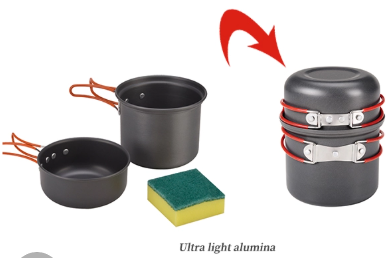
Nonstick cookware, particularly those with a PTFE coating (like Teflon), has become increasingly popular. However, concerns have been raised regarding the safety of nonstick coatings at high temperatures. When overheated, PTFE coatings can break down and release toxic fumes that may be harmful to both humans and pets. If you use nonstick aluminium cookware, avoid overheating it and always use non-metal utensils to preserve the coating.
For those concerned about the safety of nonstick coatings, there are plenty of alternatives. Anodized aluminium cookware, for instance, offers the same heat conductivity without the risks associated with PTFE coatings. Cast iron and stainless steel cookware are also great non-reactive, durable options for those looking to avoid nonstick coatings.
Aluminium cookware that has been scratched, dented, or shows signs of wear can increase the leaching of aluminium into food. When the protective anodized or nonstick coating is damaged, it's time to replace the cookware. Cooking with worn-out aluminium pans can be risky, especially when they are used for cooking acidic foods. Regularly inspect your aluminium cookware for signs of wear, and replace it if the surface is scratched or damaged.
Aluminium cookware is best avoided for cooking highly acidic foods such as tomatoes, vinegar, or citrus fruits. These foods can cause the aluminium to react, leading to the transfer of small amounts of metal into the food. While this isn't usually dangerous, the metallic taste can alter the flavor of your dishes. Use anodized aluminium or stainless steel cookware when preparing acidic dishes to avoid metallic flavors.
For those who are particularly concerned about aluminium exposure, its best to choose cookware that is known to be non-reactive. Stainless steel, cast iron, and ceramic cookware are all excellent alternatives for health-conscious individuals.
Aluminium cookware is generally safe for cooking, especially when used properly. The amount of aluminium that leaches into food is minimal and not considered harmful. However, for those looking to reduce any potential risks, choosing anodized aluminium cookware or other non-reactive alternatives, like stainless steel, can provide peace of mind.
Aluminium cookware is affordable, lightweight, and a great conductor of heat. The risk of aluminium leaching into food is minimal but can be reduced with anodized or non-reactive cookware. Nonstick aluminium cookware requires careful handling to avoid high-temperature risks.
In conclusion, while the health risks associated with aluminium cookware are minimal, it's important to choose the right type of cookware for your needs and care for it properly. By opting for anodized or clad aluminium cookware, you can enjoy the benefits of aluminium without worrying about potential risks. Bulin offers a range of high-quality aluminium cookware that combines safety, durability, and excellent heat conduction, ensuring you can cook with confidence and peace of mind.
A: Yes, aluminium cookware is generally safe for daily use. The small amount of aluminium that leaches into food is minimal and not harmful in normal cooking conditions.
A: Aluminium cookware health risks are minimal, but excessive exposure can occur if the cookware is damaged or used for acidic foods. Anodized cookware is a safer alternative.
A: To minimize risks, use anodized aluminium cookware or other non-reactive alternatives like stainless steel. Avoid cooking acidic foods for long periods in aluminium.