Views: 0 Author: Site Editor Publish Time: 2025-11-10 Origin: Site


Packing a camp kitchen can be a game-changer for your camping trips. Imagine heading out without the stress of scrambling for essential gear. Organizing your cooking items makes your outdoor experience smoother and more enjoyable. In this article, we'll guide you through how to pack your camp kitchen efficiently. You'll learn what gear to include and how to keep everything neatly organized for a stress-free trip.
To keep your camp kitchen organized, investing in durable containers is key. Plastic totes or action packer tubs are perfect for storing all your gear. Use clear containers to easily locate items at a glance. Label your containers to separate cookware, utensils, and food items. Consider adding lids that lock to prevent spillage. This is especially helpful if you're camping in wet or rainy conditions.
Packing a camp kitchen begins with evaluating the type of meals you'll be preparing. Do you plan to cook simple meals or gourmet dishes? For car camping, a two-burner stove might be sufficient, while backpacking will require compact, lightweight gear.
Choose equipment based on the number of people in your group and the type of cooking you plan to do. Include a pack camp kitchen gear checklist that covers your essentials like pots, pans, stoves, and utensils. Always plan for extra space when packing a camp kitchen to accommodate any last-minute items.
When packing your camp kitchen, consider how often you'll use each item. Keep high-use items, such as spices, utensils, and cutting boards, at the top of the container. You'll save time and avoid frustration when you don't have to dig for your favorite spatula or seasonings.
Your stove is the heart of the camp kitchen. Whether you prefer a propane, butane, or multi-fuel stove, choose a model that suits your camping style. A two-burner stove is great for cooking full meals, while a single-burner stove is more portable for solo trips. Always pack extra fuel. Running out of propane or butane can ruin your cooking plans.
When choosing cookware, versatility is key. A cast-iron skillet is perfect for high-heat cooking and adds great flavor to dishes. Include a pot or pan set for boiling water, making soup, or frying. If you're cooking over a campfire, consider bringing a Dutch oven for stews or baking.
For utensils, make sure to pack items like spatulas, tongs, ladles, and a sharp knife. A pack camp kitchen gear checklist for utensils should include reusable spoons, forks, and knives, as well as serving tools. Choose utensils made from durable, lightweight materials like stainless steel to ensure they last through multiple trips.
No camp kitchen is complete without durable tableware. Opt for plates, bowls, and mugs that are easy to clean and won't break during transport. Enamelware is a great choice as it's sturdy and cleans easily after use. You'll also need durable cutlery, ideally reusable for environmental benefits. Pack a mess kit that includes everything from cups to cutlery in a compact, easy-to-carry case.
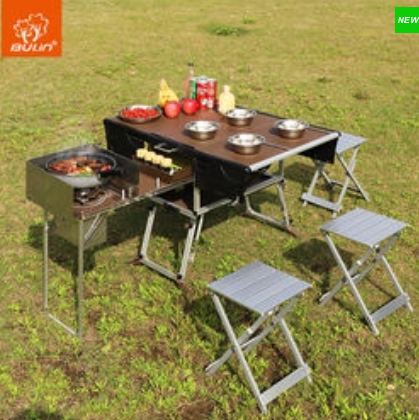
To maximize space and functionality, divide your camp kitchen into two distinct zones: one for cooking and the other for eating. This will help streamline your cooking process and prevent clutter. The cooking area should contain all your essential tools—stove, cookware, utensils, and spices. Keeping your tools organized and within reach ensures efficiency while cooking. Use a folding table for the cooking area, as it provides ample space for meal prep, serving, and cleanup. Having a dedicated cooking area also ensures cleanliness, as you won't mix cooking materials with food-ready items.
On the other hand, the eating area should be arranged for comfort and convenience. This zone should have tableware, cups, serving tools, and a clean, flat surface for meals. If you have limited space, collapsible tables and chairs are a great solution. Keep the eating area clear of any cooking supplies to maintain a hygienic and pleasant environment for dining. Consider storing these items in a separate container to avoid cross-contamination and ensure they remain clean and ready for use.
Cleaning up after cooking while camping is just as important as the cooking itself. A clean kitchen space helps maintain hygiene and ensures a more enjoyable camping experience. Bring a collapsible washing set for dishes, which can save space and be easily packed away after use. This set should include three containers—one for washing, one for rinsing, and one for drying. You'll also need biodegradable soap, dish scrubbers, and a drying rack or clothesline to hang wet items. Packing these items is crucial for maintaining a clean environment and for keeping your campsite free from food odors that can attract wildlife.
In addition, always pack extra trash bags to ensure proper disposal of waste. Some campsites require you to pack out your trash, so it's essential to be prepared and have enough bags to accommodate all the waste generated during your trip. Make sure you know the campsite's waste management policy to avoid any inconvenience. If you're cooking with oil or other messy ingredients, consider packing extra paper towels or cleaning wipes for quick and easy cleanup.
A good cooler is one of the most important items for keeping perishable foods safe during your camping trip. When selecting a cooler, choose one with a high-quality seal to maintain ice and keep your food cold. Ensure that it has ample space to store meat, dairy products, fruits, and vegetables. You may want to separate different food types using containers or zip-lock bags to prevent cross-contamination. For additional protection, use ice packs or dry ice to keep everything chilled longer. Keeping your cooler closed as much as possible will help preserve the ice and maintain the internal temperature.
For extra freshness, consider adding a thermometer inside your cooler to monitor temperature changes. A cooler with a built-in drain plug is also handy, as it allows you to easily empty water without removing all the food. If you're worried about your cooler leaking, store meats in sealed plastic bags to prevent water damage to your food.
Non-Perishable Food Storage Non-perishable items like pasta, cereals, canned goods, and snacks need proper storage to ensure they remain fresh and intact. Using airtight containers or resealable bags will help keep these foods safe from moisture, insects, and potential spills. This also minimizes the risk of any food odors spreading across your campsite. Consider packing a few days' worth of emergency meals, such as instant noodles or boxed meals, as a backup for those days when cooking takes longer than expected. These items can save you time and effort, allowing you to enjoy a quick meal in case of an emergency or when you're too tired to cook.
Organize your pantry items in clear containers for easy access. Clear containers not only help you see what you have but also reduce the likelihood of cluttering your space. Label each container with its contents, and stack them neatly to save room. If possible, store dry goods in a cool, dry place, such as in the shade or in a specially designated food storage bin.
While the basic camping gear is essential for survival, sometimes adding a few extra items can make your camping experience more comfortable and enjoyable. A portable coffee maker, for example, can give you the luxury of a hot drink while surrounded by nature. You could also bring a small camping grill or additional camp stoves if you plan on preparing more elaborate meals or cooking for a larger group. These extra items will expand your cooking options and allow you to prepare a wider variety of dishes.
For those who enjoy more gourmet camping meals, consider packing a cast-iron skillet or a camping oven to broaden your cooking capabilities. You might also want to bring a small cooler for beverages or desserts that require refrigeration. Make sure to pack extra propane or extension cords if you're using gas-powered cooking equipment to ensure that you don't run out mid-meal.
To reduce the amount of gear you need to bring, consider packing items that can serve multiple purposes. A multi-tool, for instance, can replace several kitchen gadgets and save valuable space and weight in your backpack. Items like a paracord rope can be used for various tasks, from hanging food to setting up tarps. A flashlight is not only useful for navigation at night but can also double as a backup light for your cooking area. Another great space-saving item is a collapsible bowl or cutting board. These multi-use items fold down to a compact size when not in use, allowing you to maximize the limited space in your camp kitchen. Look for other tools that are versatile and lightweight to make packing easier.
Packing a camping kitchen may seem like a daunting task, but with careful planning and the right gear from Bulin, you'll be ready to cook delicious meals while enjoying the great outdoors. Use the Bulin camp kitchen gear checklist as a guide to ensure you have everything you need without overpacking. A well-organized kitchen will make your camping experience more enjoyable and less stressful. Make a habit of cleaning and repacking your camp kitchen gear after each trip to ensure everything is ready for the next adventure. Trust Bulin for high-quality camping gear that meets all your outdoor cooking needs, ensuring you're prepared for whatever the wilderness has in store.
A: A camping kitchen refers to the collection of gear and equipment used for cooking while camping. It includes stoves, cookware, utensils, and storage containers.
A: To organize your camping kitchen, use durable containers and a pack camp kitchen gear checklist to ensure all essentials are easily accessible and well-packed.
A: A well-packed camping kitchen saves time and reduces stress by ensuring that all necessary gear is organized and ready for use during camping trips.